
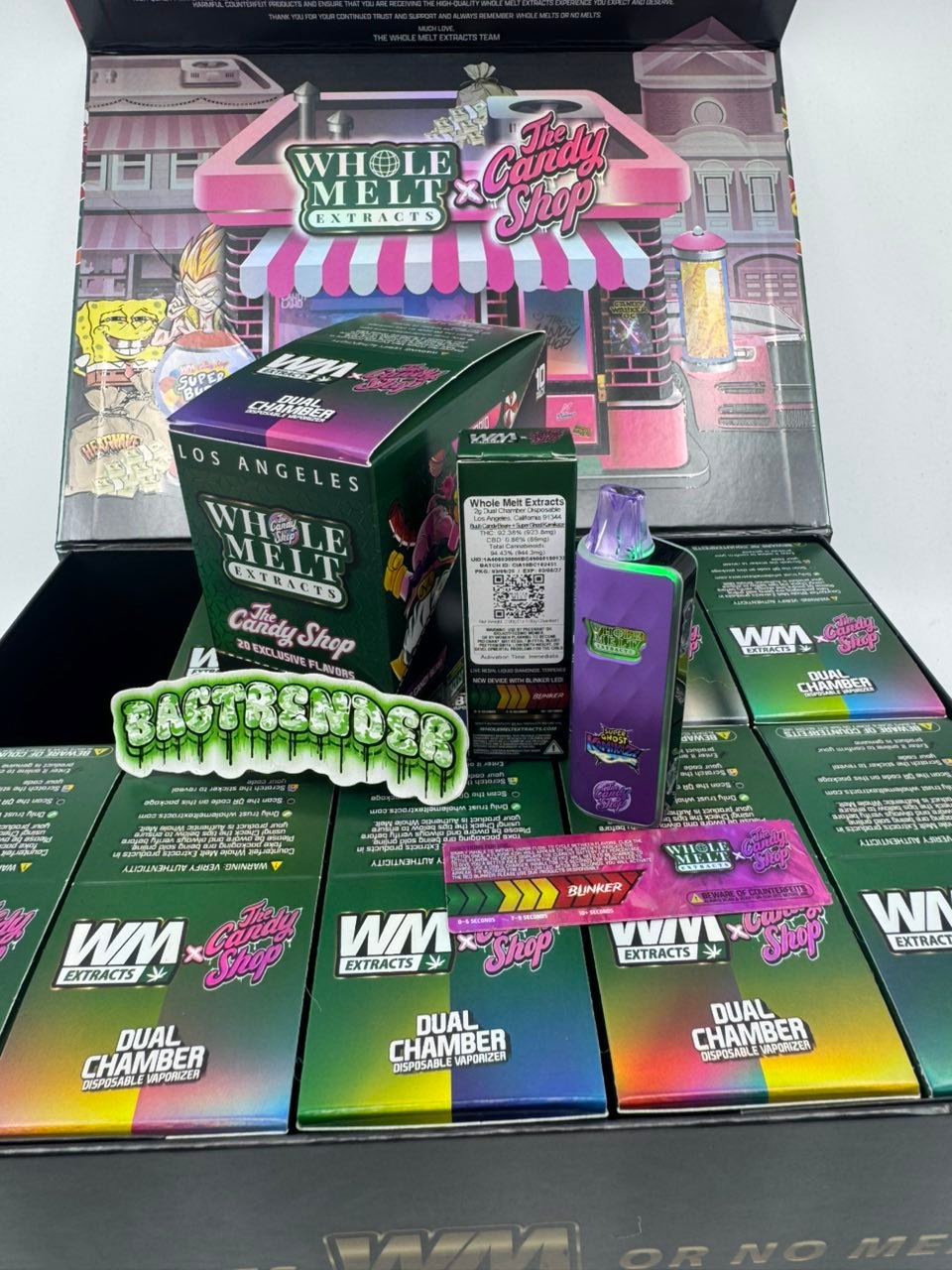
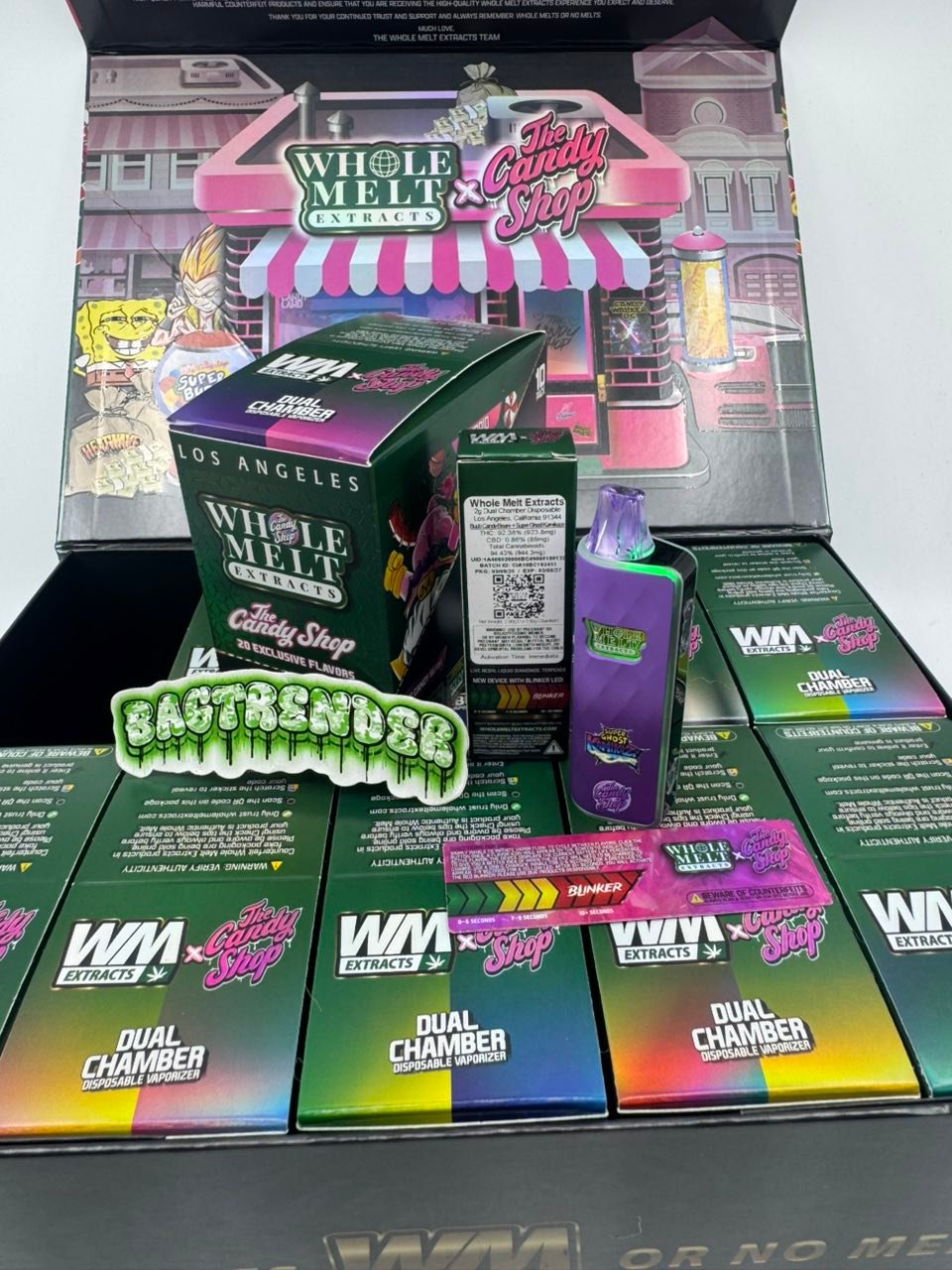
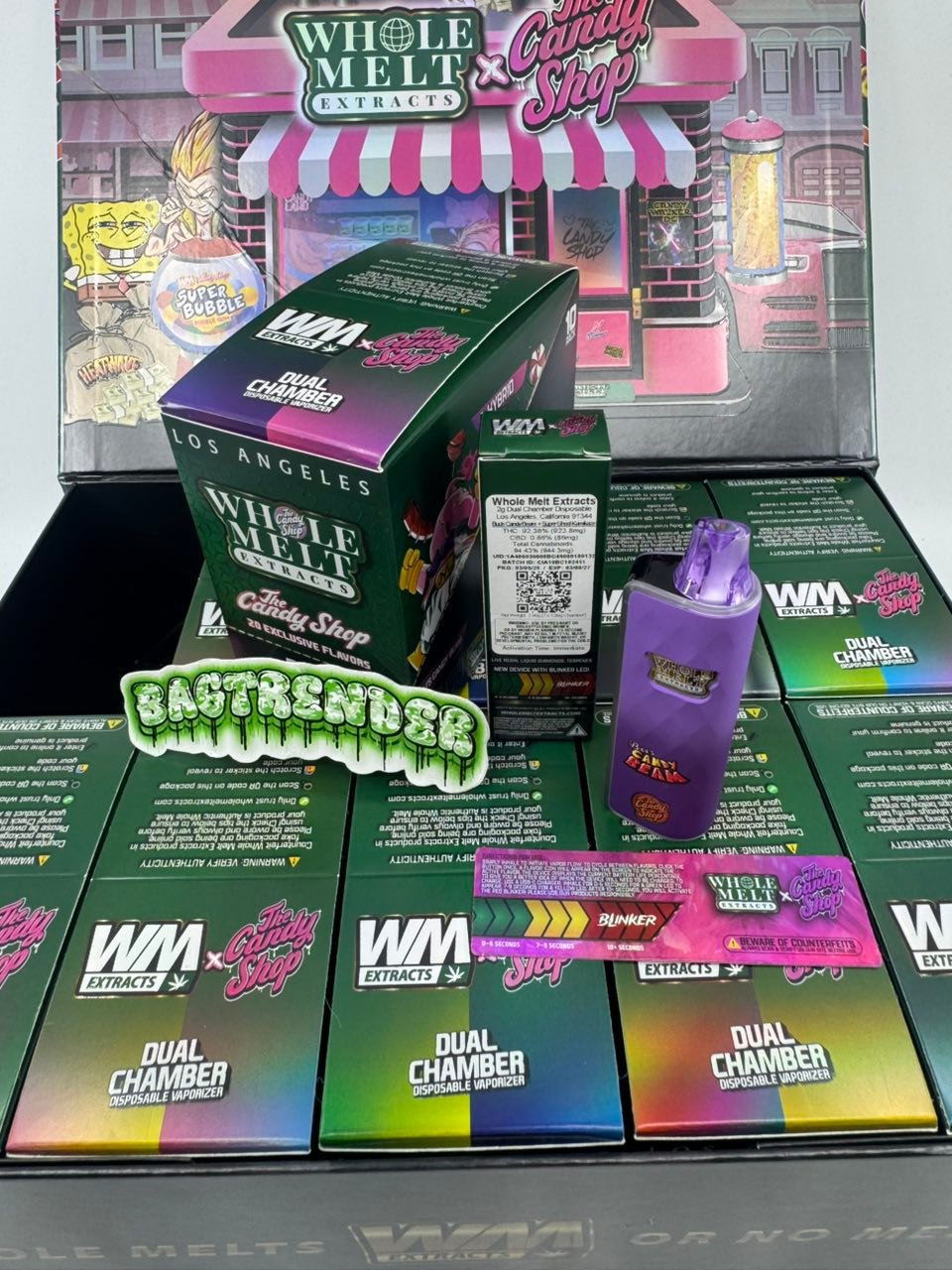
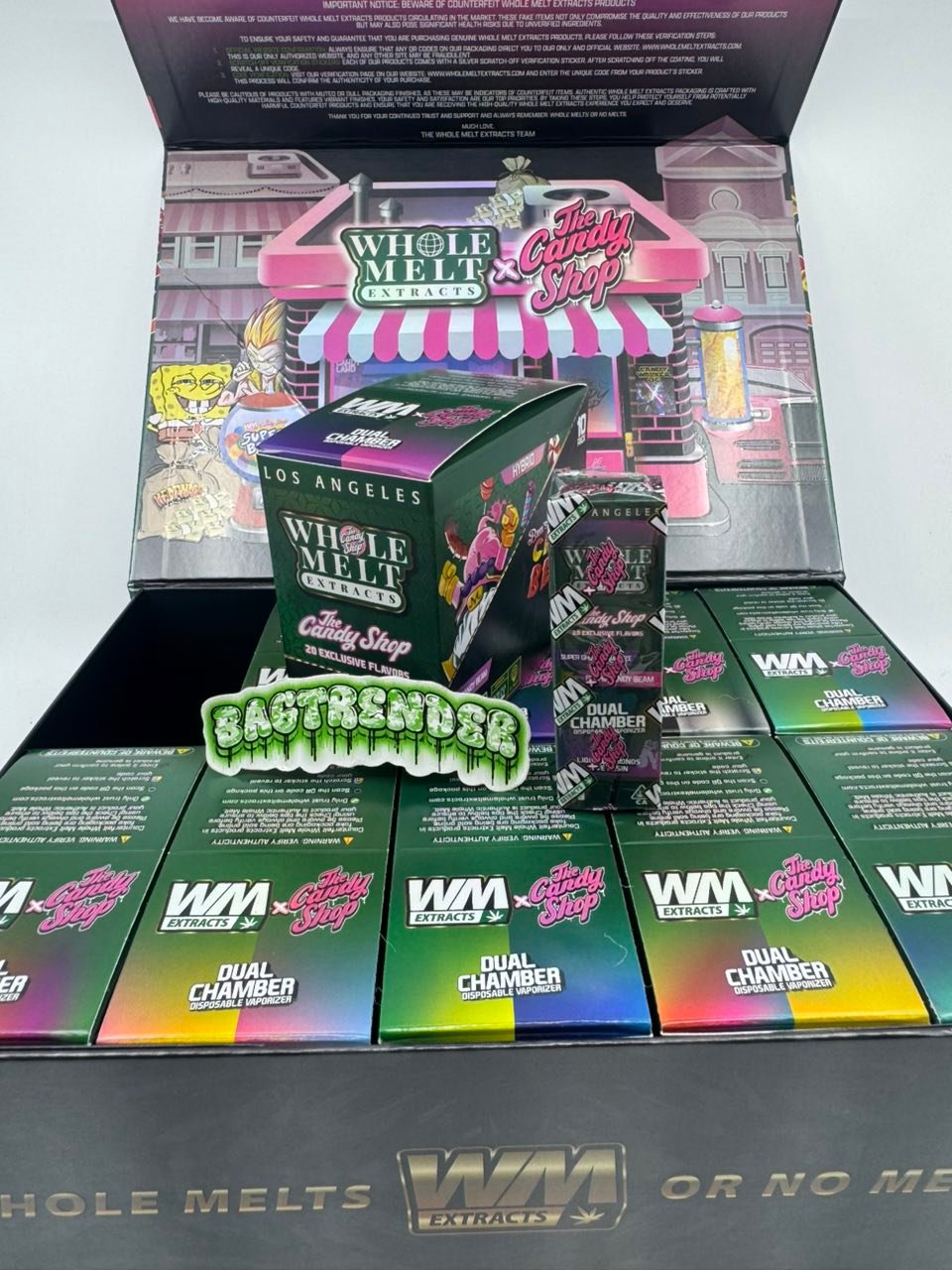
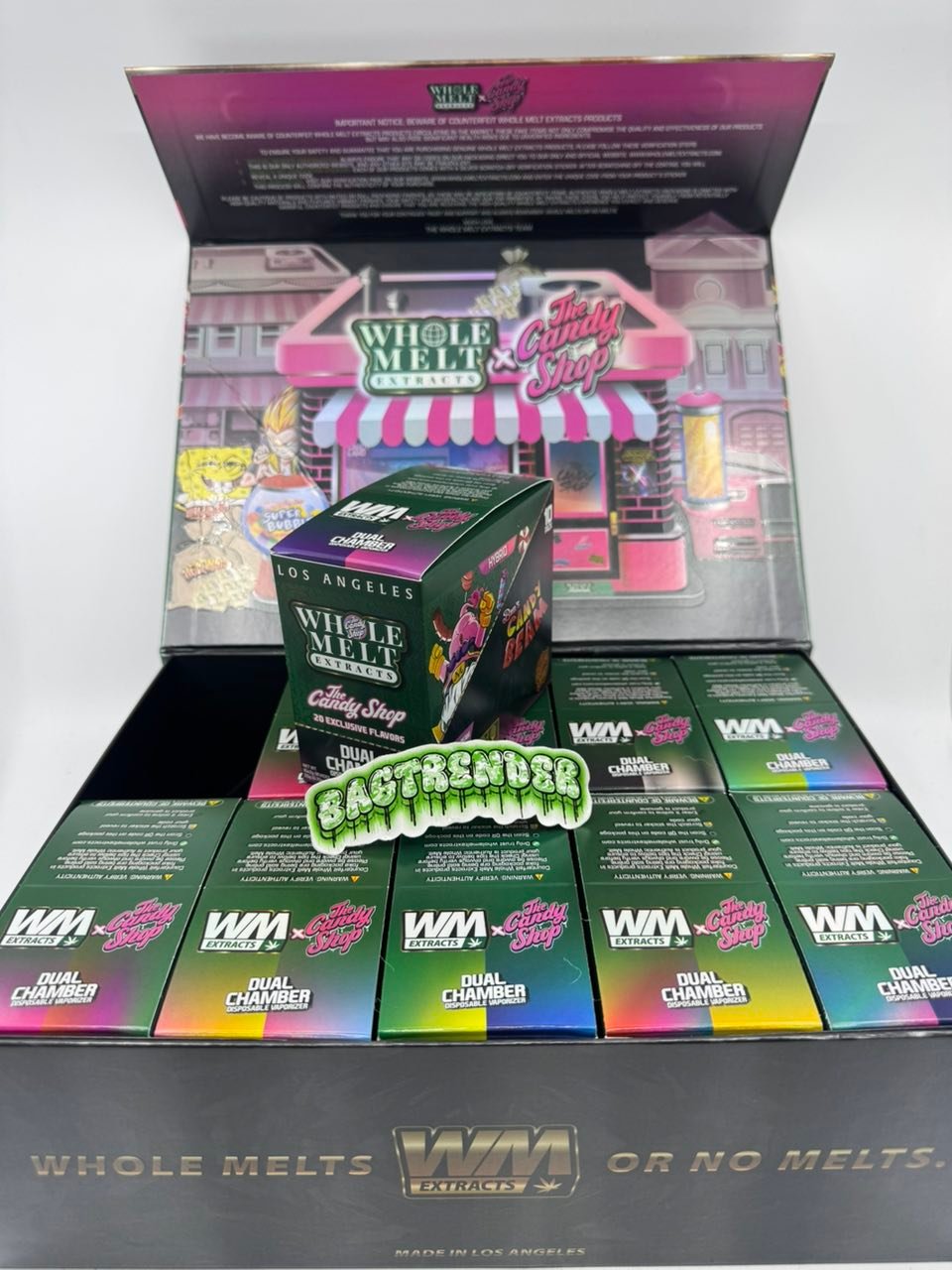
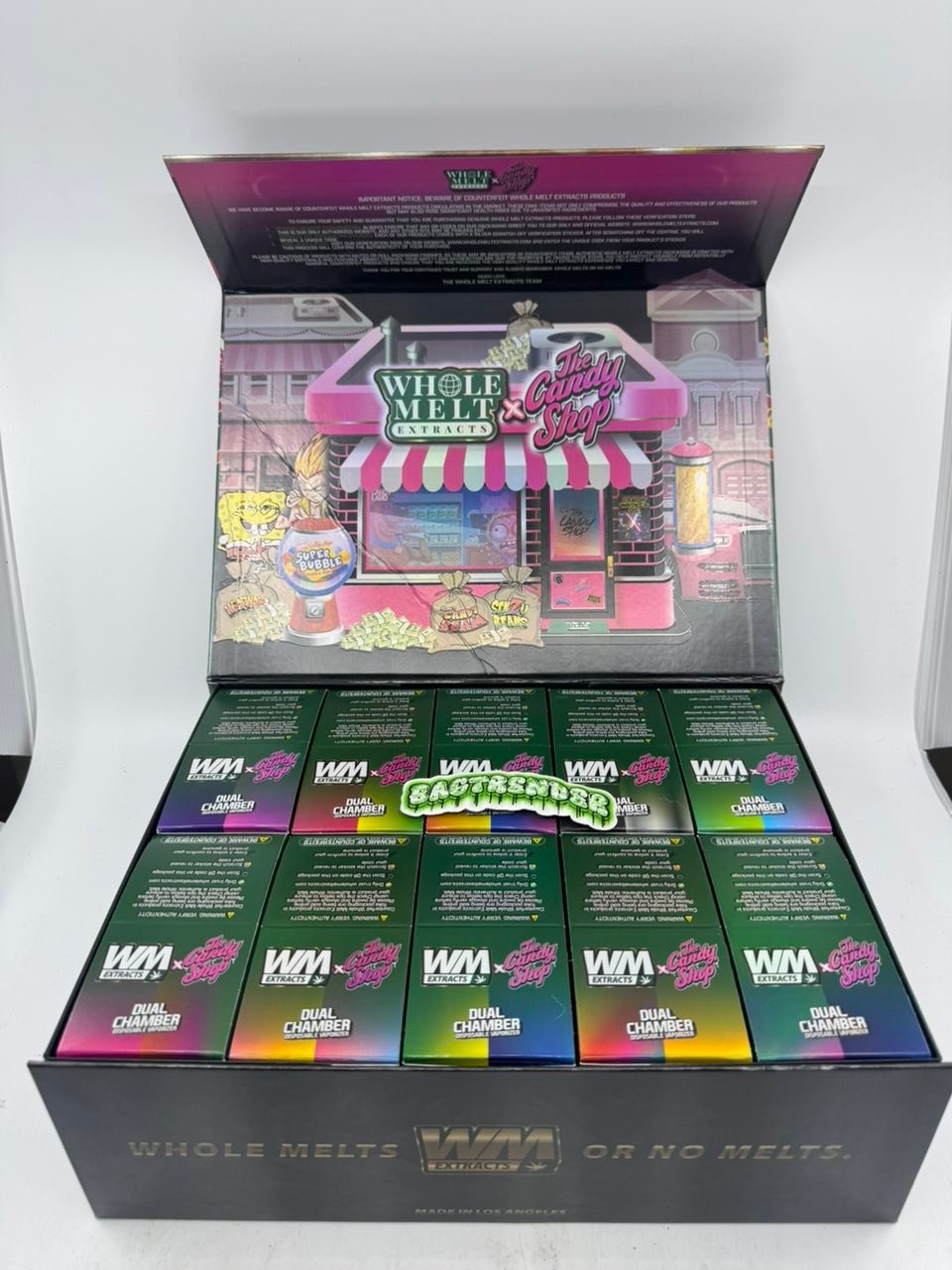
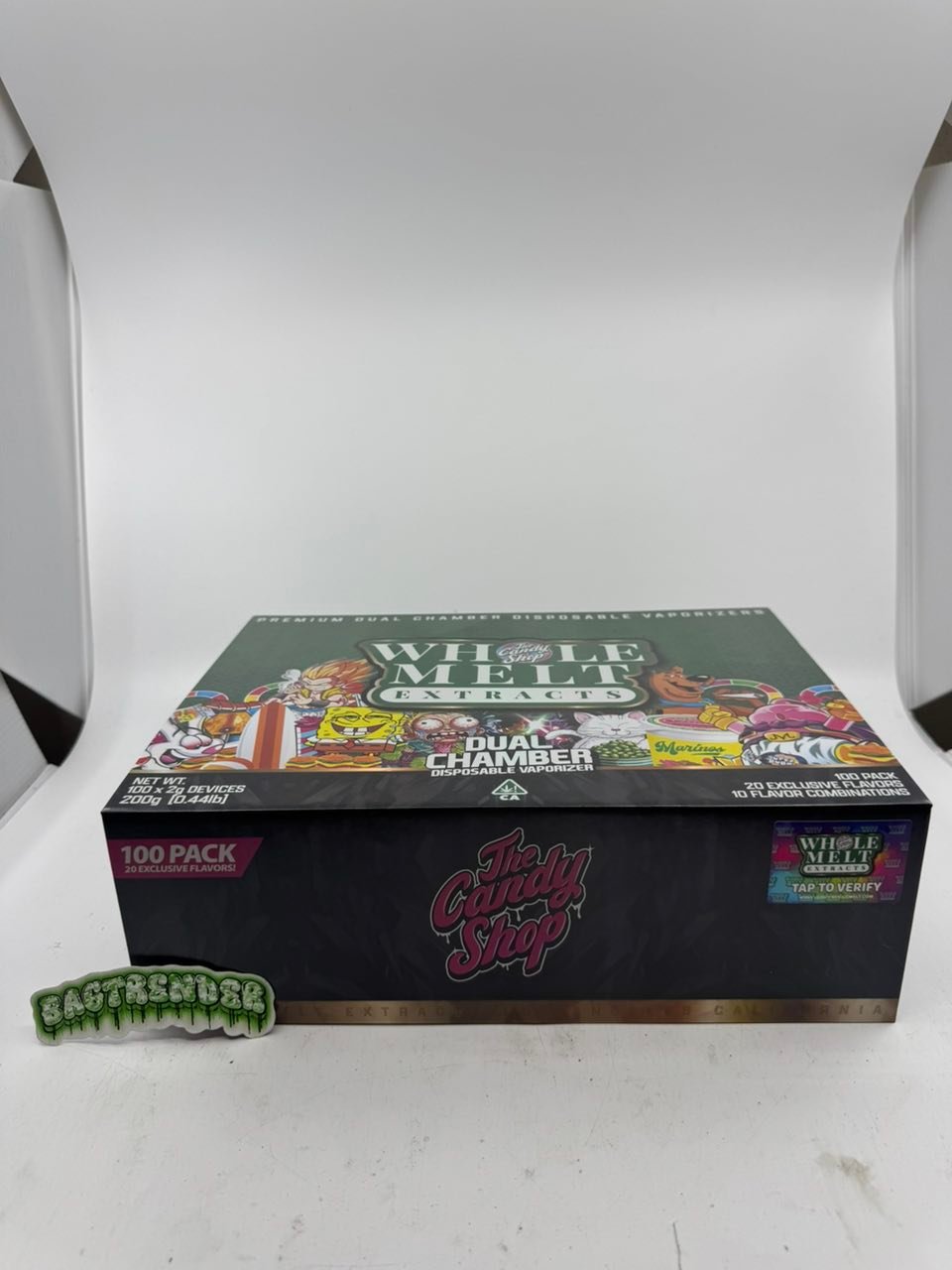







Whole Melt Dual Chamber Disposable Vape
Price range: $27.50 through $6,699.99
Whole Melt Dual Chamber Disposable Vape offers a dual-reservoir vapor system designed for formulation separation, consistent performance, and controlled airflow. Engineered for adult consumers in regulated markets, it combines ceramic heating technology, optimized battery output, and compact portability with a compliance-focused, safety-conscious design.
Whole Melt Dual Chamber Disposable — Comprehensive Product Overview
The Whole Melt Dual Chamber Disposable represents a modern evolution in portable vaporization technology, engineered to deliver versatility, formulation separation, and controlled user experience within a single device. Designed for adult consumers in regulated markets, this product integrates dual-reservoir functionality with a compact, disposable format, enabling users to access two distinct formulations or profiles without the need for multiple devices.
This overview provides a compliance-focused, informational breakdown of the product, including design architecture, materials, performance characteristics, safety considerations, and responsible use context. The intent is to deliver transparency and clarity aligned with contemporary regulatory expectations and E-E-A-T (Experience, Expertise, Authoritativeness, Trustworthiness) standards.

Product Concept and Functional Design
At its core, the Whole Melt Dual Chamber Disposable is structured around a dual-cartridge system housed within a single integrated unit. Each chamber is independently sealed and connected to its own heating element, allowing the user to alternate between two formulations without cross-contamination.
This design serves multiple purposes:
- Formulation Preservation: By separating contents, each chamber maintains its original terpene profile, viscosity, and integrity.
- User Customization: Consumers can switch between profiles (e.g., flavor, potency balance, or extract type) depending on preference or situational use.
- Operational Efficiency: Eliminates the need to carry multiple devices, reducing logistical friction.
Most implementations utilize a switch mechanism—either physical (toggle/slider) or draw-activated sequencing—to alternate between chambers. Advanced models may also support simultaneous activation, enabling blended output.
Materials and Build Quality
The device is typically constructed using industry-standard materials chosen for durability, thermal resistance, and chemical stability:
- Outer Shell: Lightweight aluminum alloy or high-grade polycarbonate for impact resistance and portability.
- Mouthpiece: Heat-resistant polymer engineered to remain stable under repeated thermal cycles.
- Internal Components: Medical-grade stainless steel and ceramic elements used in heating cores to ensure even vaporization and minimize degradation.
Ceramic coil systems are widely adopted in this category due to their ability to provide consistent heating without introducing metallic taste or hotspots. This contributes to smoother vapor production and improved flavor retention.
Dual Chamber Technology
The defining feature of this device is its dual chamber architecture. Each chamber operates as an independent system, with its own:
- Reservoir
- Coil/heating element
- Airflow pathway
This separation ensures:
- No Flavor Bleed: Each formulation remains chemically and sensorially distinct.
- Accurate Dosing: Users can better control intake by selecting a specific chamber.
- Extended Utility: Two chambers effectively double the functional lifespan compared to single-chamber disposables of equivalent size.
Depending on the manufacturer’s design, chamber capacity is often evenly split (e.g., 1g + 1g), though variations may exist.
Performance and Vaporization Characteristics
Performance is largely defined by the heating system and airflow engineering. The Whole Melt Dual Chamber Disposable is typically optimized for:
- Low-to-Medium Voltage Output: Preserves volatile compounds and reduces harshness.
- Even Heat Distribution: Prevents burning or uneven vaporization.
- Draw-Activated Mechanism: Eliminates the need for manual buttons, simplifying operation.
Expected performance attributes include:
- Smooth vapor consistency
- Controlled cloud density
- Flavor-forward output (especially in terpene-rich formulations)
Battery capacity is calibrated to align with total chamber volume, ensuring the device remains operational until contents are depleted under normal usage conditions.
Safety and Compliance Considerations
In regulated markets, products in this category are subject to strict compliance standards. While specifications vary by jurisdiction, key safety principles include:
- Closed-System Design: Prevents tampering or refilling, reducing contamination risk.
- Battery Safety Protections: Includes overcharge, short-circuit, and overheating safeguards.
- Material Testing: Components are selected to minimize heavy metal leaching and chemical instability.
Consumers should verify that any product meets applicable local regulations, including:
- Third-party laboratory testing
- Ingredient disclosure requirements
- Packaging and labeling compliance
This overview does not substitute for official product documentation or regulatory disclosures.
Responsible Use Context
This product is intended strictly for adult use in jurisdictions where such products are legally permitted. Responsible use includes:
- Adhering to local laws and age restrictions
- Avoiding use while operating vehicles or machinery
- Storing the device securely, away from minors and pets
Individuals with underlying health conditions, or those who are pregnant or breastfeeding, should consult a qualified professional before use.
Storage and Handling
Proper storage is essential to maintain product integrity:
- Temperature: Store in a cool, dry environment. Excessive heat may degrade internal components or formulations.
- Orientation: Keep upright when possible to prevent clogging or leakage.
- Humidity Control: Avoid exposure to high humidity, which can affect airflow and battery performance.
Because the device is disposable, it should be handled with care to avoid damage prior to use.
Environmental Considerations
Disposable vapor devices raise legitimate environmental concerns due to integrated batteries and electronic components. Best practices include:
- Disposing of the device at designated e-waste or hazardous material collection sites where available
- Avoiding general landfill disposal when alternatives exist
- Supporting brands that implement recycling or take-back programs
Consumers should remain aware of local disposal regulations and infrastructure.
Market Positioning and Use Cases
The Whole Melt Dual Chamber Disposable is positioned as a convenience-driven, premium-format device. It appeals to users seeking:
- Multi-profile access within a single device
- Reduced need for multiple cartridges or batteries
- Enhanced control over experience variation
Typical use scenarios include:
- Alternating between daytime and evening profiles
- Comparing formulation differences without switching devices
- Maintaining portability with expanded functionality
Transparency and Consumer Awareness
Given the variability in product quality across the market, consumers should prioritize transparency indicators such as:
- Verified lab testing (potency, contaminants, residual solvents)
- Clear labeling of contents and materials
- Manufacturer reputation and traceability
Absence of these elements introduces risk and undermines product reliability.
Limitations and Considerations
Despite its advantages, the dual chamber format introduces certain constraints:

- Complexity: More internal components increase potential failure points.
- Battery Dependence: Once the battery is depleted, remaining contents cannot be accessed.
- Non-Refillable: Designed for single lifecycle use, limiting long-term sustainability.
Users should weigh these factors against convenience benefits.
Summary
The Whole Melt Dual Chamber Disposable is a technically advanced iteration of disposable vaporization devices, integrating dual-reservoir functionality with streamlined usability. Its design prioritizes formulation separation, user flexibility, and compact efficiency, making it suitable for adult consumers seeking multi-profile access in a single unit.
However, utility must be evaluated within the context of regulatory compliance, safety standards, and environmental responsibility. Consumers are advised to verify product authenticity, adhere to local laws, and engage in responsible usage practices.
This product category continues to evolve, and informed decision-making remains essential in navigating quality, safety, and performance variables.
Device Architecture and Engineering Overview
The Whole Melt Dual Chamber Disposable is engineered as a compact, closed-loop vaporization system integrating two isolated reservoirs within a unified chassis. Each chamber is structurally independent, with dedicated intake channels, atomization elements, and airflow pathways. This architecture minimizes cross-interference while preserving the integrity of each formulation.
The internal layout typically follows a parallel configuration:
- Dual reservoirs positioned symmetrically or vertically stacked
- Independent ceramic heating cores
- Centralized battery unit distributing regulated power
- Selector mechanism interfacing between chambers
From an engineering standpoint, this approach introduces redundancy while maintaining operational simplicity. The system is calibrated to ensure that switching between chambers does not result in lag, overheating, or pressure imbalance.
Heating Technology and Thermal Regulation
The device employs ceramic-based heating elements, which are widely regarded in vaporization engineering for their thermal stability and non-reactive properties. Ceramic cores facilitate:
- Gradual heat ramp-up
- Even distribution of temperature across the formulation
- Reduced risk of combustion
Thermal output is typically pre-configured at the factory to operate within a controlled range. This ensures:
- Preservation of volatile compounds
- Reduction of harsh vapor production
- Consistent draw experience across the device lifecycle
Advanced variants may incorporate micro-regulated chipsets that maintain voltage stability, even as battery levels decline. This contributes to uniform performance until depletion.
Airflow Dynamics and Draw Activation
Airflow design plays a critical role in vapor consistency and user experience. The Whole Melt Dual Chamber Disposable is designed with calibrated intake vents and internal channels that regulate pressure and flow rate.
Key characteristics include:
- Draw-Activated Firing: The device activates automatically upon inhalation, eliminating buttons and reducing user error.
- Optimized Resistance: Balanced airflow resistance ensures a controlled draw without excessive restriction or looseness.
- Condensation Management: Internal pathways are designed to minimize buildup, reducing clogging risk.
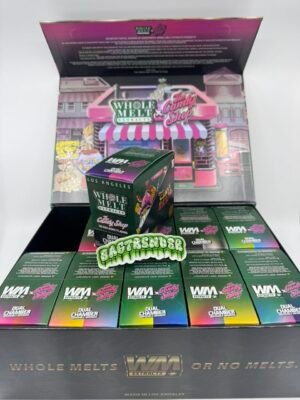
The dual airflow system ensures that each chamber operates independently, preventing residual vapor from mixing across channels.
Battery System and Power Management
The integrated battery is a lithium-ion unit, selected for energy density and compact form factor. It is non-removable and calibrated to align with the total volume of both chambers.
Battery management features typically include:
- Overcharge protection
- Short-circuit prevention
- Thermal cutoff mechanisms
- Voltage regulation
Charging, when supported, is usually facilitated through a standard USB interface (commonly USB-C). Some models are non-rechargeable, in which case the battery is pre-sized to last the full duration of the product under standard usage conditions.
Battery lifecycle is finite and directly impacts usability. Once depleted, the device cannot be reactivated.
Formulation Compatibility and Viscosity Handling
The dual chamber system is designed to accommodate a range of viscous formulations. However, performance depends on viscosity consistency and formulation stability.
Compatible characteristics generally include:
- Homogeneous composition
- Controlled viscosity for efficient wicking
- Absence of particulates that could obstruct airflow
Inconsistent or improperly formulated contents may lead to:
- Uneven vaporization
- Coil oversaturation or dry hits
- Reduced device lifespan
Manufacturers typically pre-fill and seal the chambers under controlled conditions to ensure compatibility with the hardware.
Quality Assurance and Testing Standards
In regulated environments, products in this category are expected to undergo multi-phase quality assurance processes. These may include:
1. Hardware Testing
- Leak resistance validation
- Battery safety certification
- Thermal stress testing
2. Material Safety Evaluation
- Screening for heavy metals
- Chemical stability analysis
- Component durability testing
3. Finished Product Testing
- Verification of contents (e.g., potency and composition where applicable)
- Microbial screening
- Residual solvent analysis
Consumers should prioritize products that provide verifiable Certificates of Analysis (COAs) from accredited third-party laboratories.
Labeling, Packaging, and Regulatory Alignment
Compliance-driven packaging is a critical component of regulated product distribution. Standard labeling elements typically include:
- Product name and format
- Net content volume
- Ingredient or formulation disclosure
- Manufacturer or distributor information
- Batch or lot number for traceability
- Required regulatory warnings
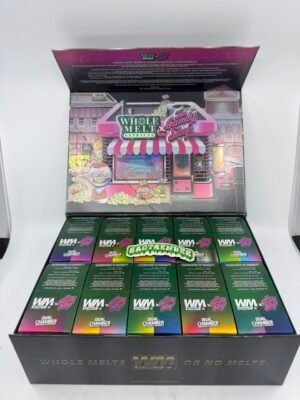
Tamper-evident and child-resistant packaging mechanisms are often mandated depending on jurisdiction. These features are designed to:
- Prevent unauthorized access
- Ensure product integrity prior to use
- Align with public safety requirements
User Operation Guidelines
Although designed for simplicity, proper operation enhances both performance and safety.
General usage steps:
- Remove device from packaging
- Ensure airflow vents are unobstructed
- Select desired chamber (if manual selector is present)
- Inhale through the mouthpiece to activate
Operational considerations:
- Avoid rapid consecutive draws, which may overheat the coil
- Allow brief intervals between inhalations for temperature stabilization
- Store upright when not in use
Improper usage patterns may reduce efficiency or compromise device functionality.
Storage Stability and Shelf Life
The stability of the device is influenced by both hardware integrity and formulation composition.
Recommended storage conditions:
- Temperature range: typically between 15°C–25°C (59°F–77°F)
- Low humidity environment
- Protection from direct sunlight
Extended exposure to extreme conditions may result in:
- Battery degradation
- Leakage or clogging
- Alteration of formulation consistency
Shelf life is finite and should be verified via packaging or manufacturer guidance.
Risk Factors and Mitigation
While engineered for safety, certain risks remain inherent to electronic disposable systems.
Potential risks:
- Battery malfunction due to physical damage
- Airflow obstruction leading to overheating
- Degradation of contents under improper storage
Mitigation strategies:
- Avoid dropping or puncturing the device
- Do not expose to water or excessive heat
- Discontinue use if abnormal behavior is observed (e.g., unusual heat, odor, or leakage)
Users should not attempt to modify or disassemble the device.
Environmental Impact and Disposal Protocol
The integration of electronic and chemical components necessitates responsible disposal practices.
Environmental considerations:
- Lithium-ion batteries pose environmental hazards if improperly discarded
- Residual contents may require controlled disposal
Recommended actions:
- Utilize certified e-waste recycling programs
- Follow local hazardous waste guidelines
- Avoid incineration or landfill disposal where prohibited
Sustainability remains a critical challenge in disposable device categories, and users are encouraged to engage with environmentally responsible options where available.
Market Differentiation and Competitive Context
Within the broader disposable vaporization segment, dual chamber devices represent a niche focused on enhanced functionality.
Differentiating attributes:
- Multi-profile access in a single device
- Reduced need for multiple units
- Increased user control over experience variation
However, this added functionality introduces complexity that may impact reliability depending on manufacturing quality.
Consumer Due Diligence Framework
To evaluate product legitimacy and quality, consumers should apply a structured assessment:
- Verification: Confirm authenticity via manufacturer channels
- Documentation: Review lab testing results and compliance certifications
- Reputation: Assess brand track record and transparency
- Consistency: Evaluate performance uniformity across usage

Products lacking verifiable data or traceability should be approached with caution.
Ethical and Regulatory Context
The distribution and use of vaporization devices are subject to evolving legal frameworks. These may include:
- Age restrictions
- Sales licensing requirements
- Product formulation regulations
- Marketing and advertising limitations
Users and distributors must remain informed about applicable laws within their jurisdiction.
Final Assessment
The Whole Melt Dual Chamber Disposable is a functionally advanced device designed to deliver dual-format accessibility within a single-use system. Its engineering emphasizes separation, consistency, and convenience, positioning it as a premium option within the disposable category.
However, its value proposition is contingent on:
- Manufacturing quality
- Compliance with regulatory standards
- Responsible consumer use
In the absence of these factors, the complexity of the system can become a liability rather than an advantage.
A disciplined, informed approach to product selection and usage is essential to ensure both performance and safety outcomes remain aligned with expectations.
| Flavor | Strawberry Banana, Blue Dream, Gelato 41, Pineapple Express, Mango Kush, Watermelon Zkittlez, Grape Ape, Lemon Cherry Gelato, Peach Ringz, Tropical Punch, Ice Cream Cake, Banana OG, Sour Diesel, Runtz, Cherry Pie, Sunset Sherbet, Apple Fritter, Pineapple OG, Berry Blast, Guava Gelato, 5 Packs (Mixed), 10 Packs ( Mixed ), 25 Packs ( Mixed ), 50 Packs ( Mixed ), 100 Packs ( Mixed ), 250 Packs ( Mixed ), 500 Packs ( Mixed ), 1000 Packs ( Mixed ) |
|---|
Be the first to review “Whole Melt Dual Chamber Disposable Vape”
Related products
Besos 2G Switch Disposable


Fogger Switch Pro Kit


Stoner Stix 2G Disposable


Fryd 3G Disposable


CryBaby Disposable 2G
Blinkers 2G Flip Slurpie Disposable
Reviews
There are no reviews yet.