
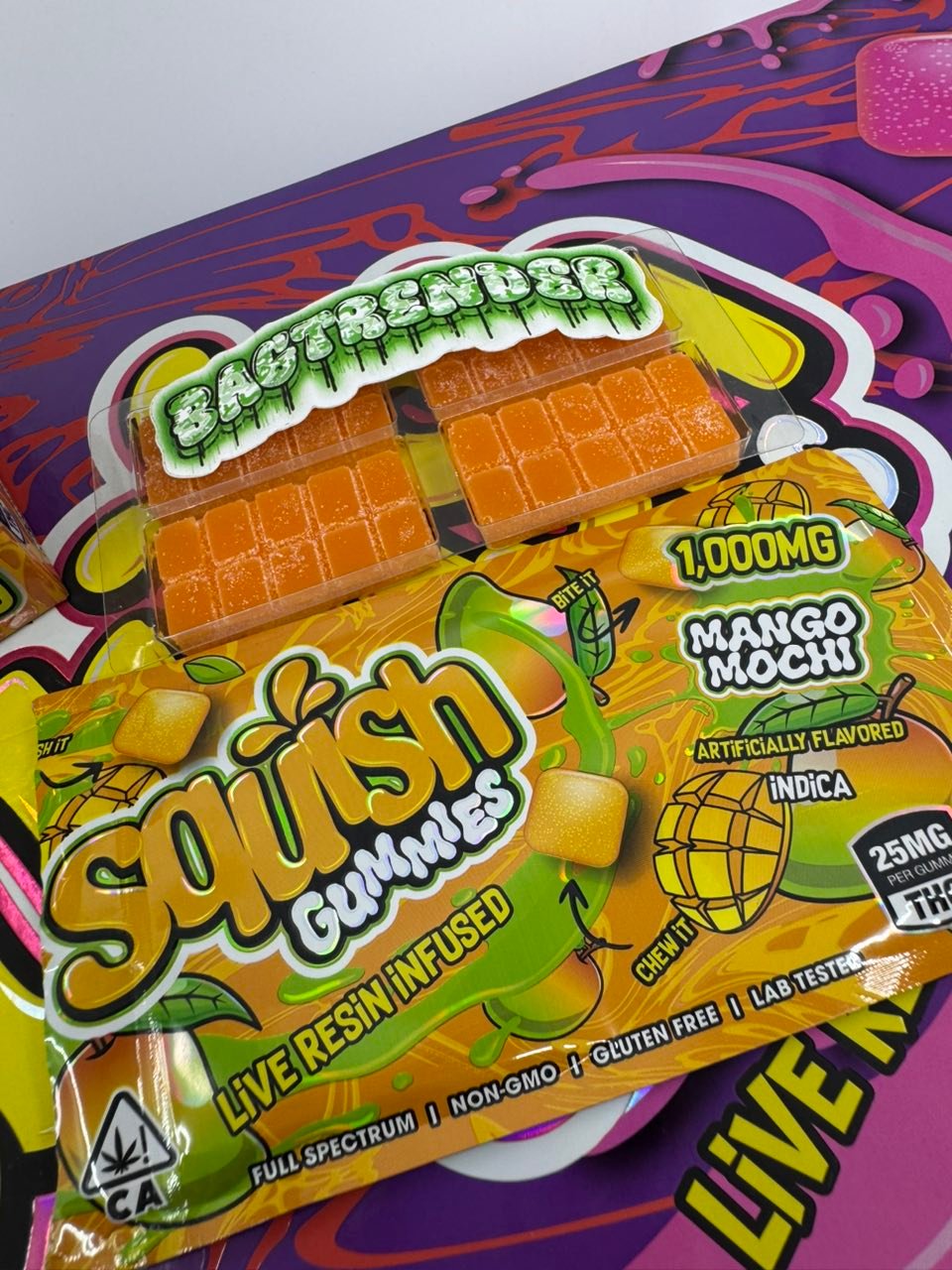
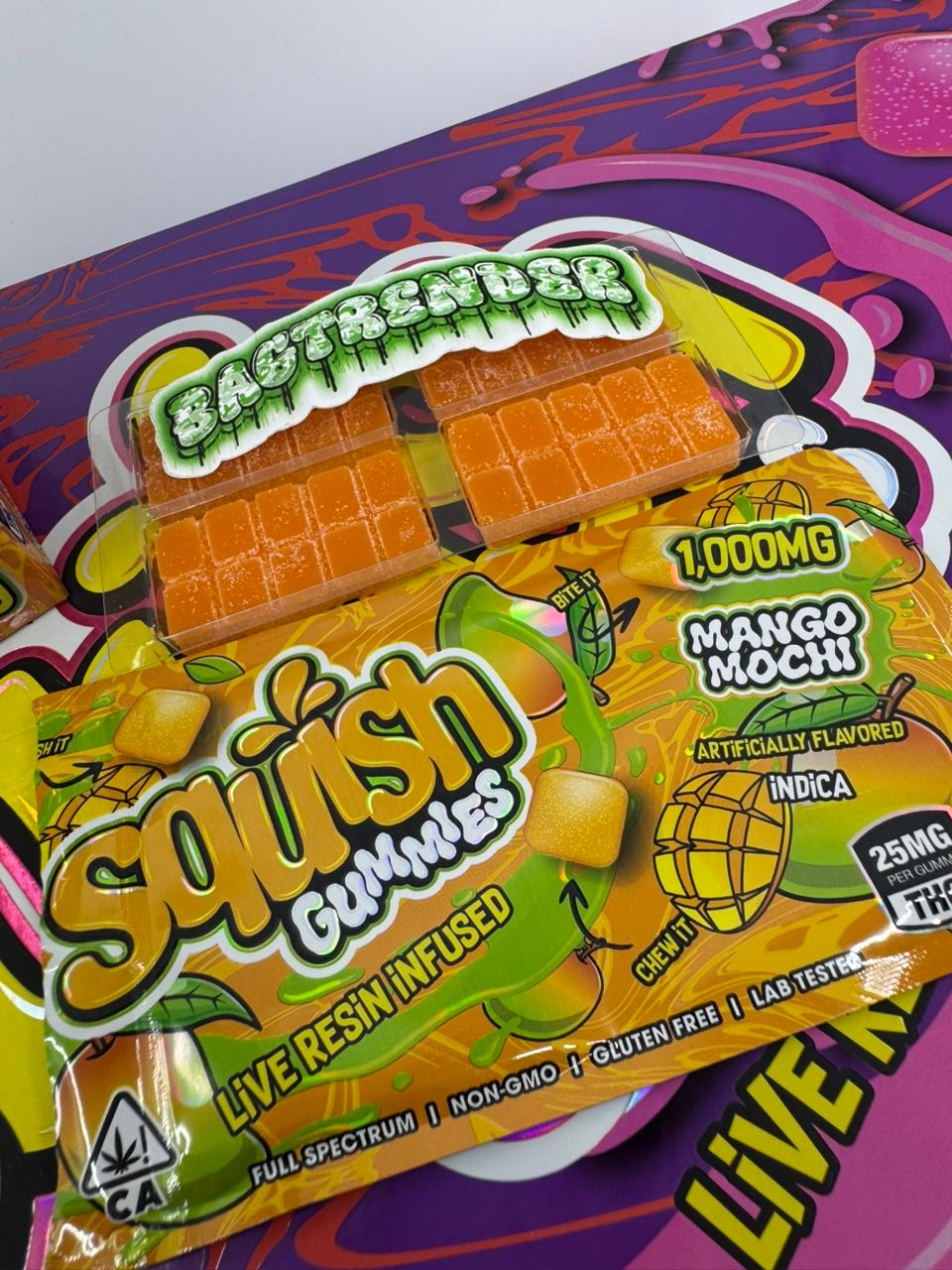
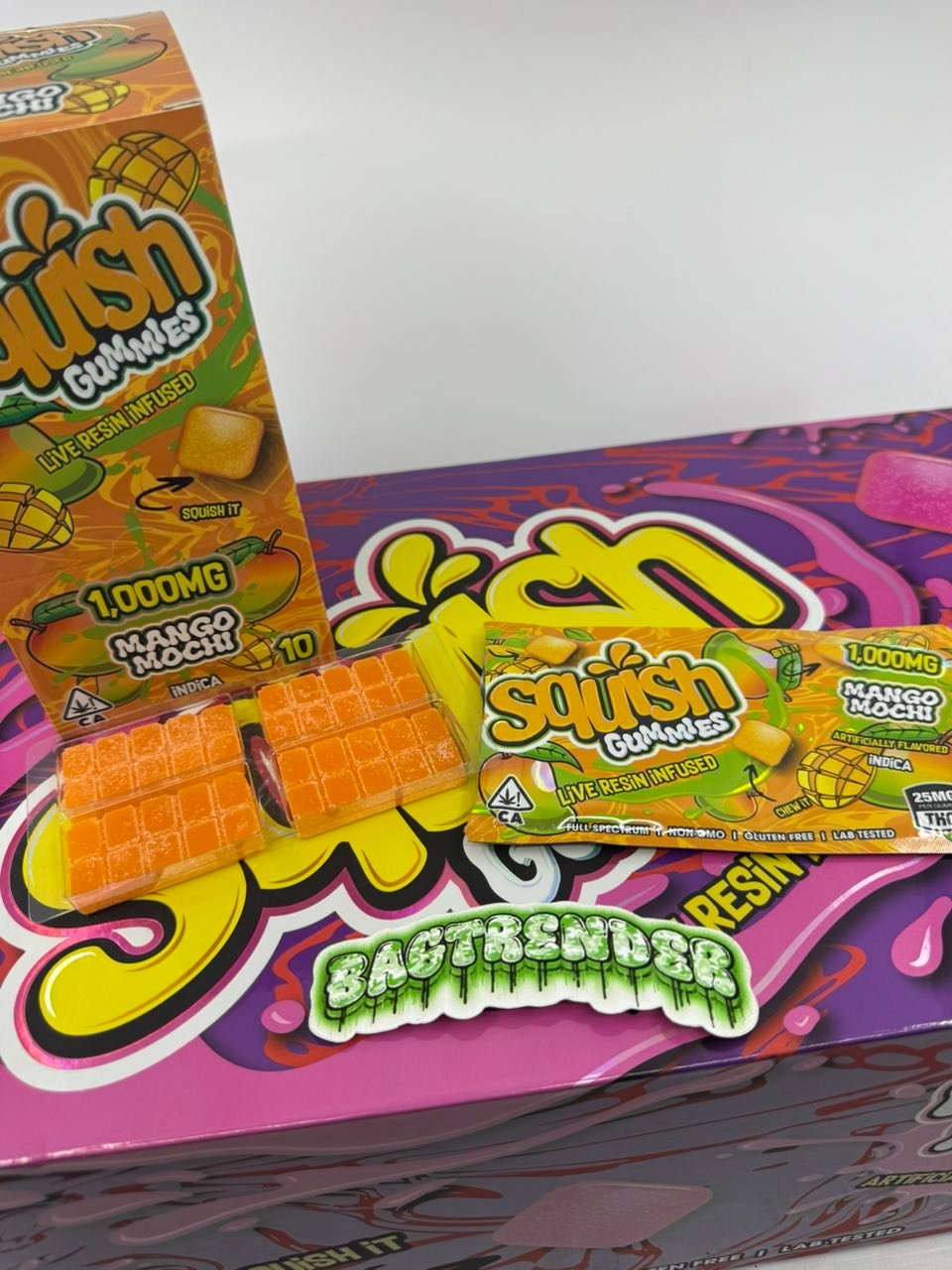
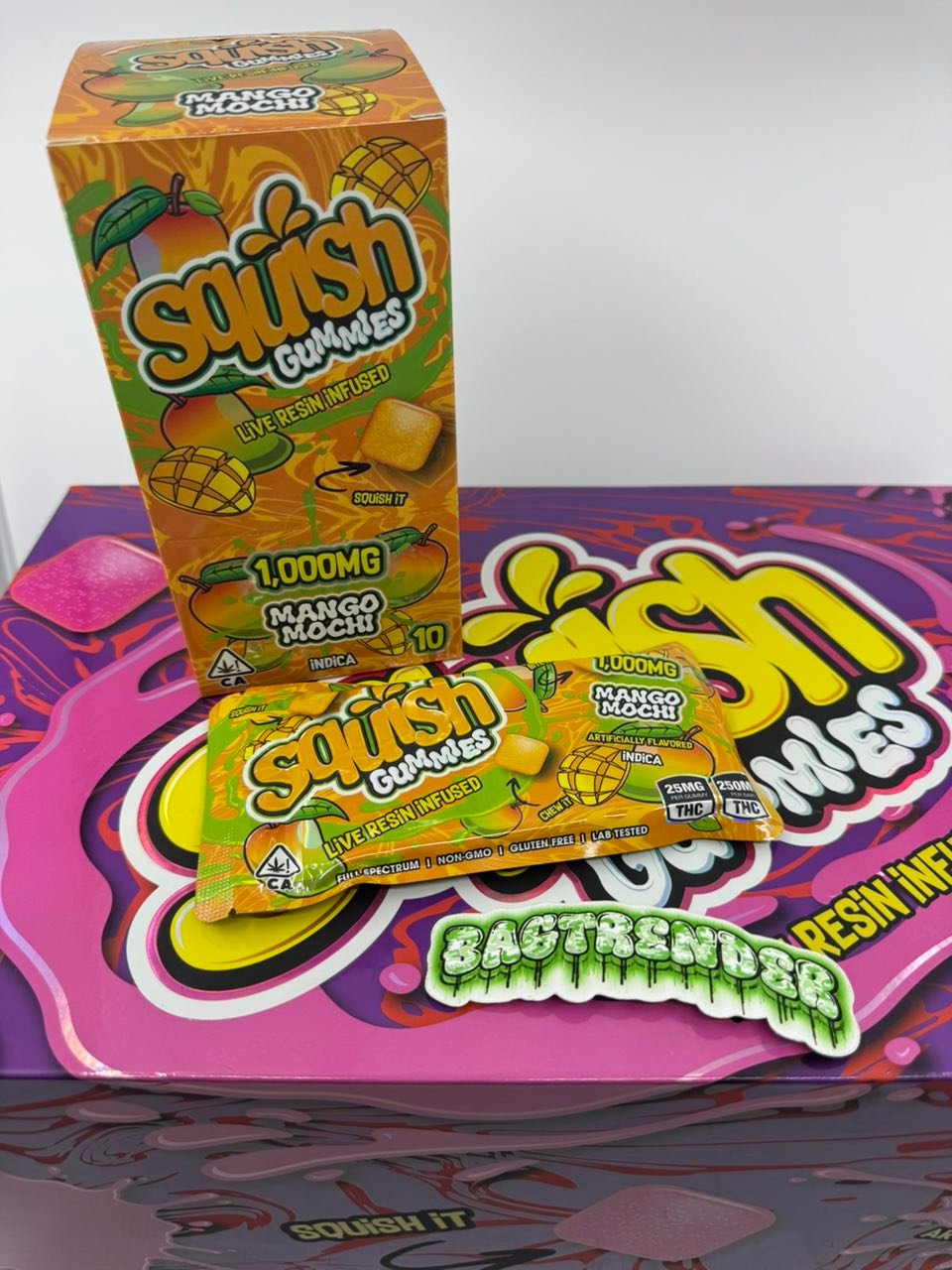
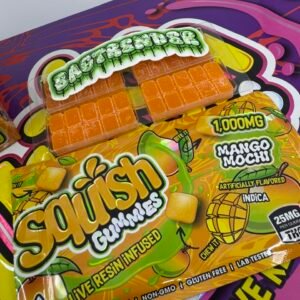
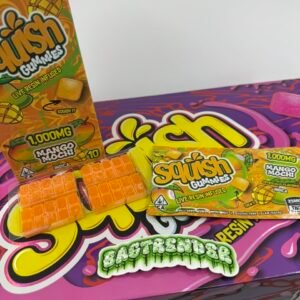
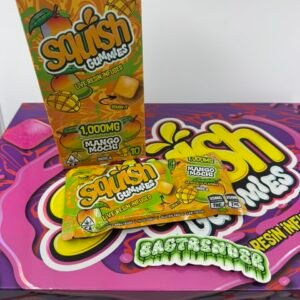
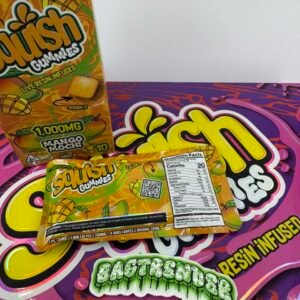
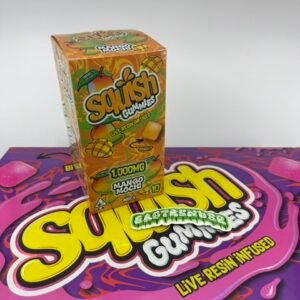
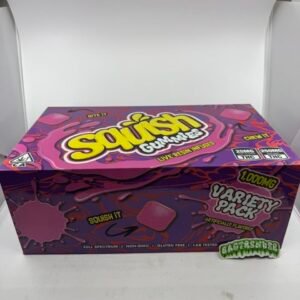
Squish Gummies 1000Mg Edibles
Price range: $27.50 through $6,699.99
Squish Gummies Edibles offer precision-dosed, lab-tested infused gummies with transparent ingredients, consistent potency, and compliance-focused packaging for regulated marketplaces.
Overview and Positioning
Squish Gummies Edibles are a category of infused confectionery products designed to deliver a controlled, measured experience through a familiar and approachable format. Positioned within regulated markets, these gummies emphasize consistency, transparency, and responsible use. Rather than functioning as a novelty item, they are structured as a precision-dosed edible format that aligns with modern compliance expectations, including clear labeling, batch traceability, and consumer education.
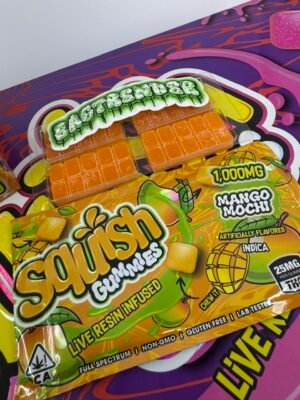
The product category reflects a broader shift in the edibles segment: consumers increasingly prioritize predictable outcomes, ingredient transparency, and quality assurance over novelty or exaggerated claims. Squish Gummies Edibles are formulated with that expectation in mind, offering a standardized ingestion method compared to inhalation-based formats.
Formulation and Ingredient Transparency
At the core of Squish Gummies Edibles is a formulation strategy centered on balance—flavor, texture, and dosing must coexist without compromise. Each gummy typically contains a blend of:
- Food-grade gelatin or pectin (depending on formulation type)
- Natural or nature-identical flavoring compounds
- Sweeteners (such as cane sugar or glucose syrup)
- Coloring agents derived from fruit or vegetable extracts where applicable
- Infused active compounds (clearly labeled per serving and per package)
In regulated environments, manufacturers are expected to disclose all active ingredients and potential allergens. Squish Gummies Edibles adhere to this framework by presenting Certificates of Analysis (COAs) from third-party laboratories. These documents verify potency, confirm the absence of harmful contaminants (such as pesticides, heavy metals, and residual solvents), and ensure microbiological safety.
This level of transparency is critical. Without it, dosing variability and contamination risks become non-trivial concerns. Products that lack verifiable testing data should be treated with skepticism in any regulated or semi-regulated marketplace.
Dosing Structure and Precision
One of the defining characteristics of Squish Gummies Edibles is their dosing architecture. Each gummy is designed to represent a discrete unit of consumption, enabling users to titrate intake with precision. Packages typically include:
- Clearly marked milligram content per gummy
- Total active content per package
- Suggested serving size based on regulatory guidelines
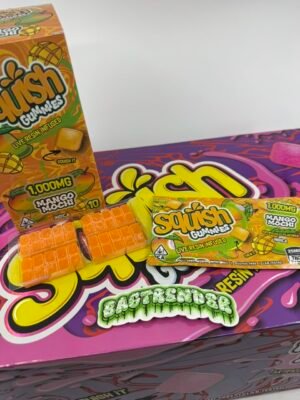
This structure supports incremental consumption, which is particularly relevant given the delayed onset associated with edible formats. Unlike inhalation methods, edibles undergo first-pass metabolism in the liver, resulting in a slower onset but potentially longer duration of effects.
From a compliance standpoint, labeling must avoid ambiguous phrasing. Terms like “strong” or “extra potent” are insufficient without quantifiable metrics. Squish Gummies Edibles instead rely on measurable data, ensuring consumers can make informed decisions based on objective information.
Flavor Profiles and Sensory Design
Flavor development in gummy edibles is not trivial. The formulation must mask or complement the inherent taste of infused compounds while maintaining a desirable texture and shelf stability. Squish Gummies Edibles typically feature a range of fruit-inspired profiles such as:
- Citrus blends (e.g., lemon, orange, grapefruit)
- Berry assortments (e.g., strawberry, blueberry, raspberry)
- Tropical profiles (e.g., mango, pineapple, passionfruit)
- Hybrid flavor combinations designed for complexity
Texture is equally important. Gummies must strike a balance between firmness and chewability without excessive stickiness or degradation over time. This requires precise control over gelatin or pectin ratios, as well as moisture content.
From a product design perspective, flavor is not merely cosmetic—it directly influences user compliance with dosing recommendations. Poor-tasting products increase the likelihood of inconsistent use patterns, which undermines the reliability of the format.
Manufacturing Standards and Quality Assurance
Squish Gummies Edibles are typically produced in facilities that adhere to Good Manufacturing Practices (GMP). This includes:
- Controlled production environments to minimize contamination
- Standardized batch processing to ensure consistency
- Comprehensive documentation for traceability
- Regular equipment calibration and sanitation protocols
Each batch undergoes testing prior to release. This is not optional in regulated markets; it is a baseline requirement. Testing parameters generally include:
- Potency verification
- Residual solvent analysis
- Pesticide screening
- Microbial contamination checks
The presence of a batch number and corresponding COA is a non-negotiable indicator of product legitimacy. Consumers should be able to cross-reference this data through QR codes or manufacturer portals.
Safety Considerations and Responsible Use
Edible products require a fundamentally different risk framework compared to other consumption methods. The delayed onset—often ranging from 30 minutes to 2 hours—introduces a risk of overconsumption if users do not wait for full effects before re-dosing.
Squish Gummies Edibles address this through:
- Clear usage instructions on packaging
- Explicit warnings about delayed onset
- Guidance on starting with low doses, particularly for inexperienced users
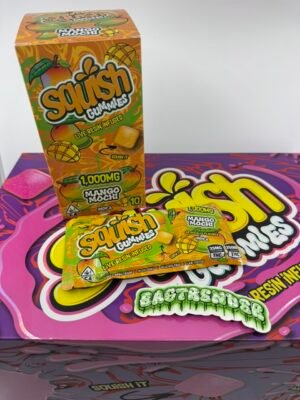
Additionally, packaging is designed to be child-resistant and tamper-evident. This is not merely a regulatory checkbox; it is a critical safety feature. Accidental ingestion, particularly by minors, remains one of the primary concerns in the edibles category.
Storage recommendations are also emphasized. Products should be kept in a cool, dry place and out of reach of children and pets. Heat exposure can degrade both texture and potency, while improper storage increases contamination risk.
Regulatory Compliance and Market Alignment
Squish Gummies Edibles are structured to align with regulatory frameworks that vary by jurisdiction but share common principles:
- Accurate labeling of active ingredients
- Prohibition of misleading health claims
- Child-resistant packaging requirements
- Limits on maximum dosage per serving and per package
- Mandatory third-party testing
Failure to meet these criteria can result in product recalls, legal penalties, and reputational damage. From a commercial standpoint, compliance is not optional—it is a prerequisite for market access.
It is also worth noting that legality varies significantly across regions. Consumers and distributors must verify local regulations before purchase, distribution, or consumption. A product that is compliant in one jurisdiction may be restricted or prohibited in another.
User Experience and Consumption Dynamics
The edible format introduces a distinct pharmacokinetic profile. After ingestion, active compounds are metabolized in the liver, producing metabolites that may differ in potency and duration compared to inhaled forms.
Users typically report:
- Slower onset (30–120 minutes)
- Extended duration (4–8 hours, depending on dose and individual metabolism)
- More gradual offset compared to inhalation methods
This profile can be advantageous for individuals seeking sustained effects without the need for repeated dosing. However, it also requires discipline and awareness to avoid overconsumption.
Squish Gummies Edibles are designed to support this use case through consistent dosing and clear guidance. The objective is not to maximize intensity but to provide a predictable, controllable experience.
Packaging, Branding, and Consumer Trust
Packaging serves multiple functions: protection, compliance, and communication. Squish Gummies Edibles typically feature:
- Child-resistant containers
- Tamper-evident seals
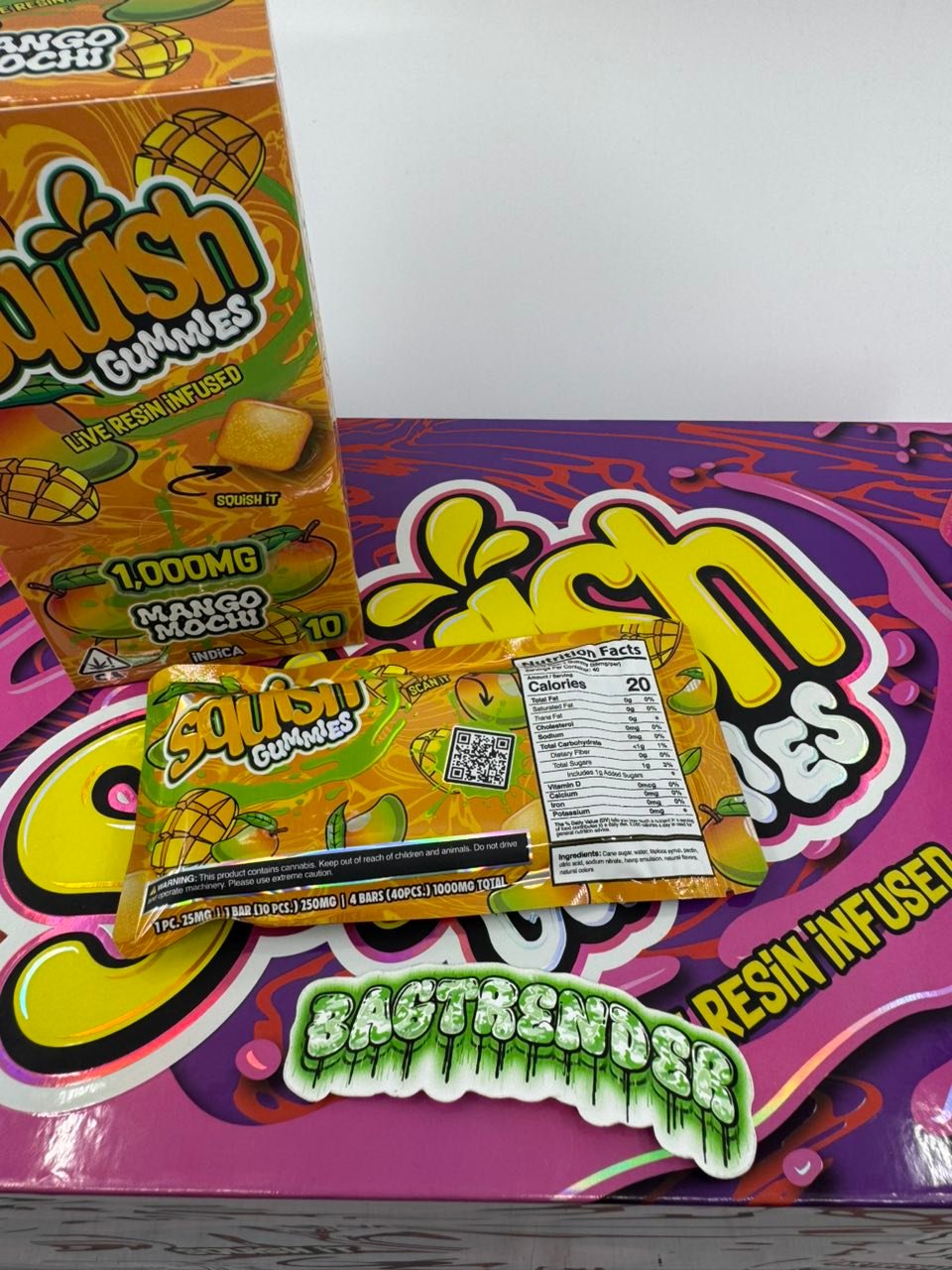
- Clearly printed dosage information
- Batch numbers and expiration dates
- QR codes linking to lab results
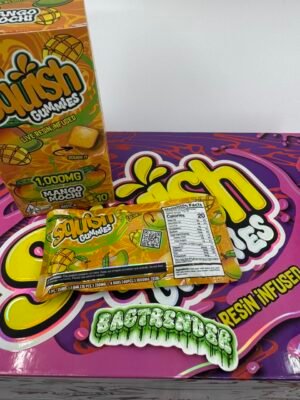
Branding is deliberately restrained in compliant markets. Products avoid imagery or language that could appeal to minors, focusing instead on clarity and professionalism. This aligns with regulatory expectations and reduces the risk of enforcement actions.
Trust is built through consistency. A product that delivers the same experience across batches establishes credibility, while variability erodes it quickly.
Shelf Life and Stability
Gummy edibles are sensitive to environmental conditions. Factors affecting shelf life include:
- Temperature fluctuations
- Humidity exposure
- Light exposure (particularly UV)
Squish Gummies Edibles are formulated to maintain stability within specified conditions, typically with a shelf life ranging from several months to over a year. Expiration dates are clearly marked, and consumers are advised not to use products beyond this period.
Degradation can affect both texture and potency. A hardened or excessively sticky gummy is an indicator of compromised product integrity.
Market Trends and Consumer Expectations
The edibles market has matured significantly. Early-stage products often lacked consistency and transparency, but modern offerings—including Squish Gummies Edibles—reflect a more disciplined approach.
Key trends include:
- Increased demand for precise dosing
- Preference for natural or clean-label ingredients
- Emphasis on third-party verification
- Growth in low-dose and microdose formats
- Expansion of flavor diversity
Consumers are less tolerant of ambiguity. Products that fail to provide clear, verifiable information are increasingly marginalized.
Limitations and Critical Considerations
Despite their advantages, gummy edibles are not without limitations:
- Delayed onset can complicate dosing decisions
- Individual metabolic variability affects outcomes
- Overconsumption risks are higher compared to inhalation methods
- Storage requirements are more stringent
These factors must be acknowledged rather than minimized. Any product that ignores these realities is not aligned with responsible market practices.
Conclusion
Squish Gummies Edibles represent a structured, compliance-oriented approach to infused confectionery. Their value proposition is not novelty but reliability—consistent dosing, transparent formulation, and adherence to regulatory standards.
For consumers, the key variables are clarity and discipline: understanding dosage, respecting onset times, and verifying product authenticity through lab results. For distributors and retailers, the emphasis is on compliance, traceability, and responsible positioning.
The edibles category will continue to evolve, but the baseline expectations are now established. Products that meet these standards will persist; those that do not will be systematically excluded from legitimate markets.
| Flavor | Strawberry, Blue Raspberry, Watermelon, Mango, Pineapple, Green Apple, Grape, Cherry, Orange, Lemon, Peach, Mixed Berry, Tropical Punch, Raspberry Lemonade, Kiwi Strawberry, Pink Lemonade, Passionfruit, Blackberry, Sour Apple, Sour Cherry, Sour Watermelon, Sour Blue Raspberry, Cola, Fruit Punch, Guava, Lychee, Coconut Pineapple, Dragon Fruit, Blood Orange, Pomegranate, 5 Packs ( Mixed ), 10 Packs ( Mixed ), 25 Packs ( Mixed ), 50 Packs ( Mixed ), 100 Packs ( Mixed ), 250 Packs ( Mixed ), 500 Packs ( Mixed ), 1000 Packs ( Mixed ) |
|---|
Reviews
There are no reviews yet.