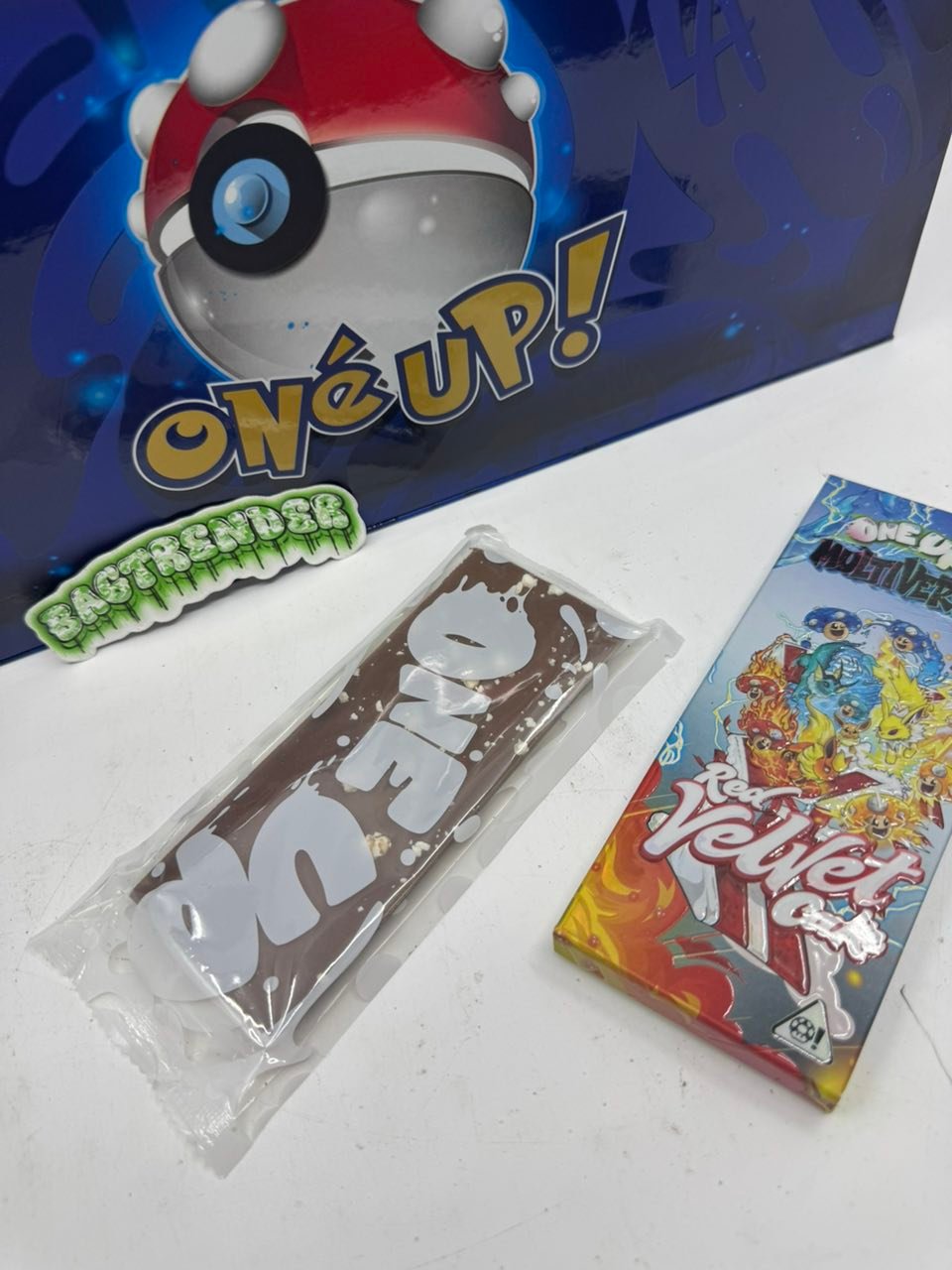
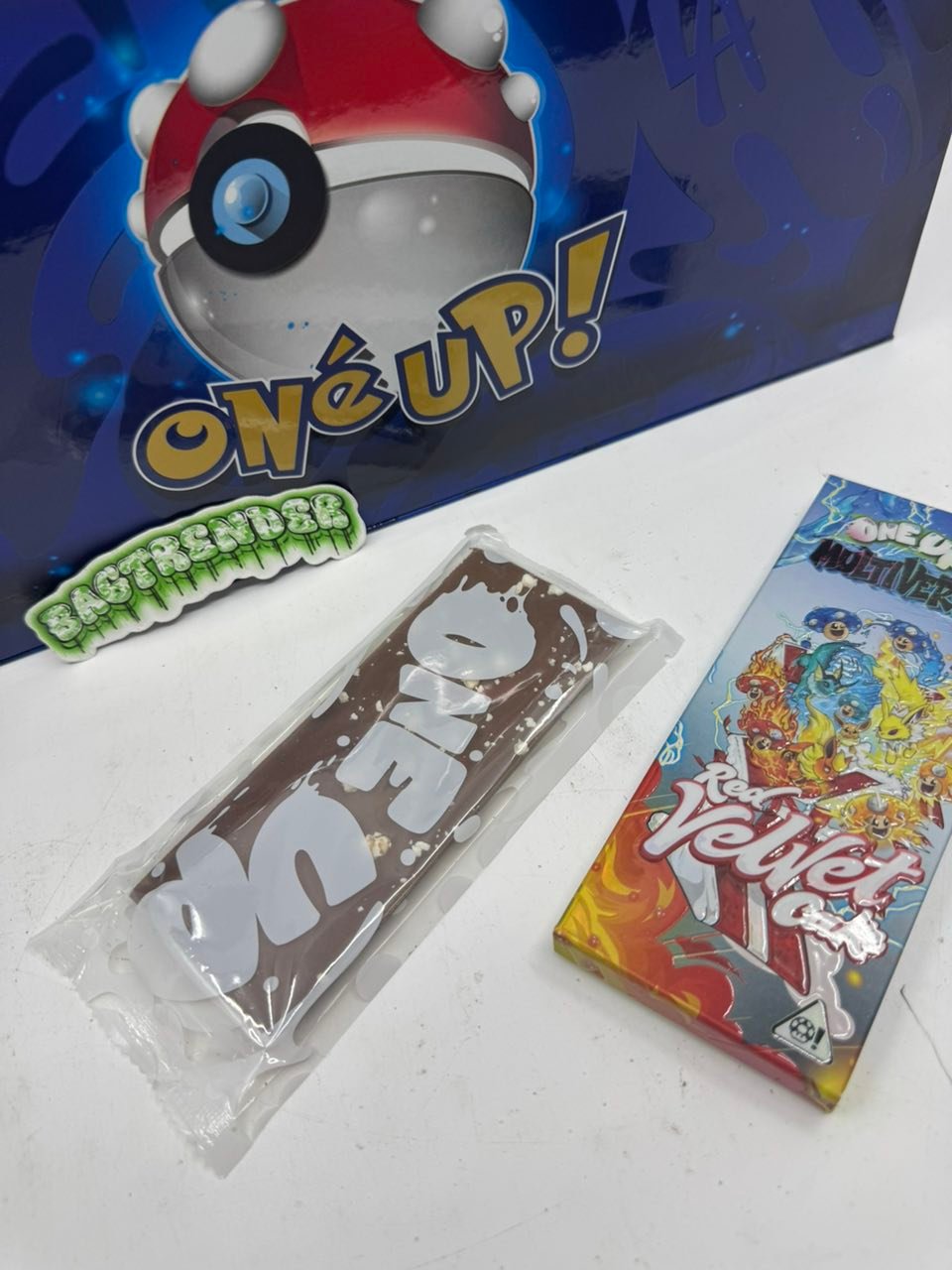
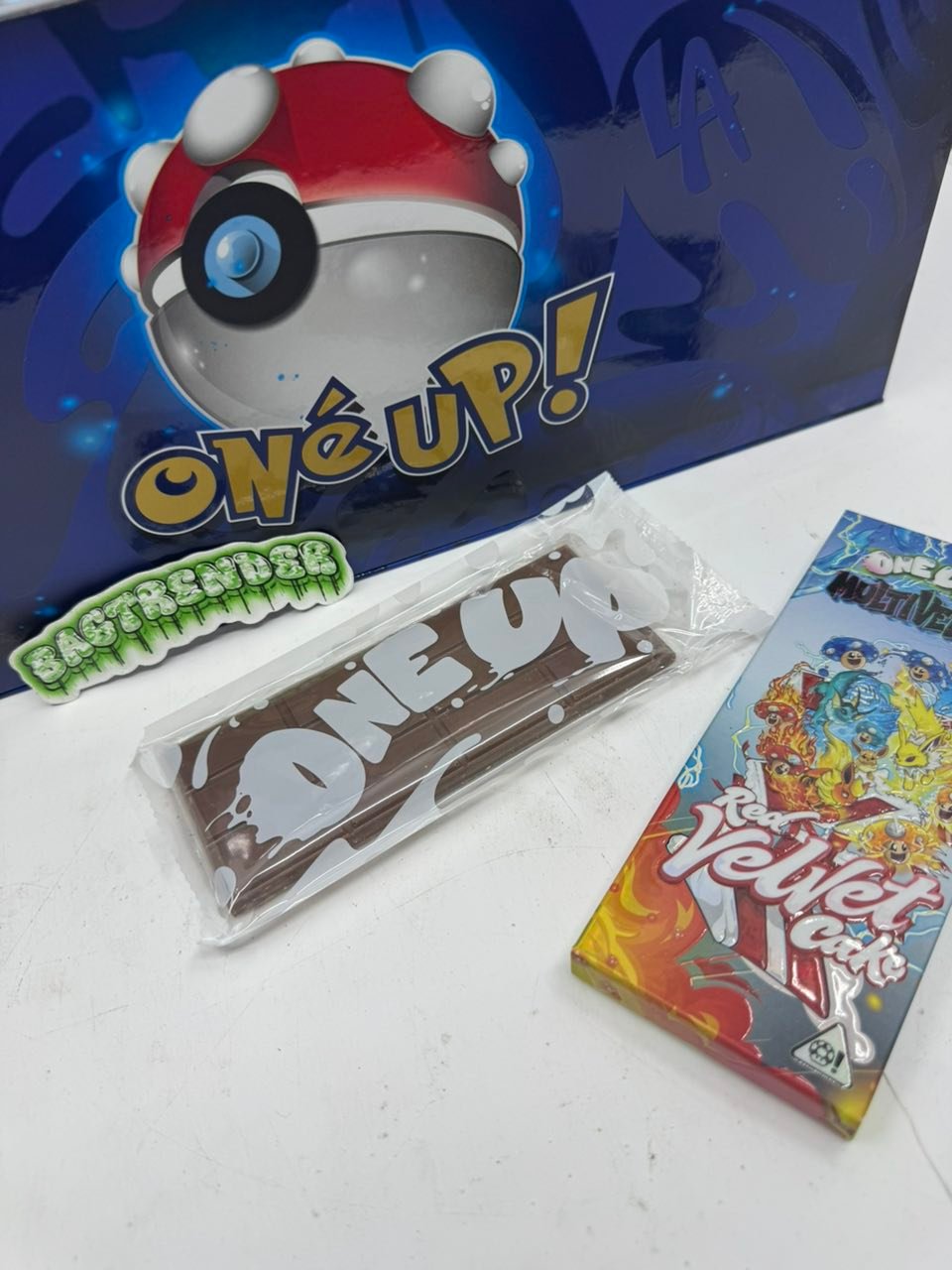
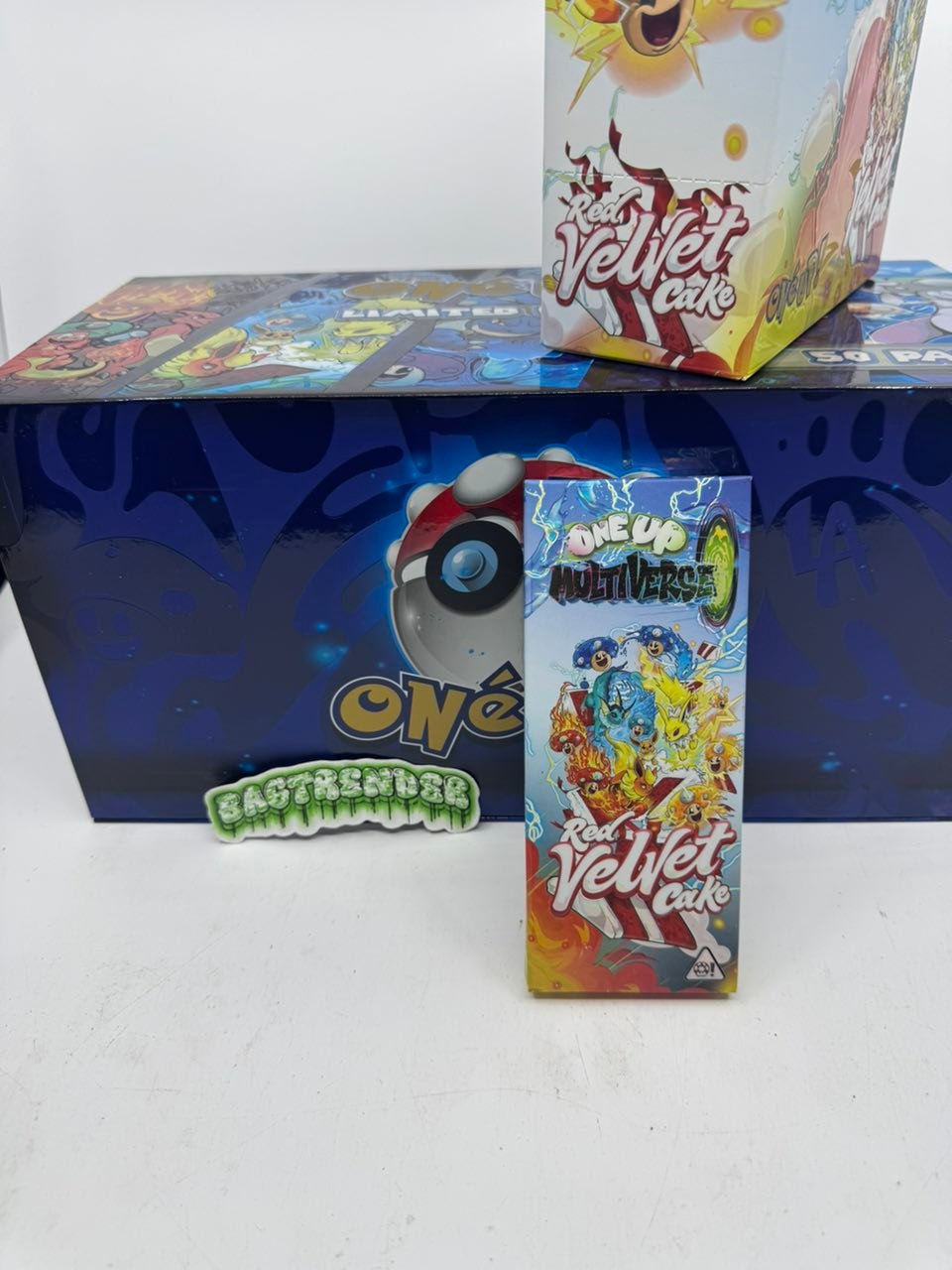
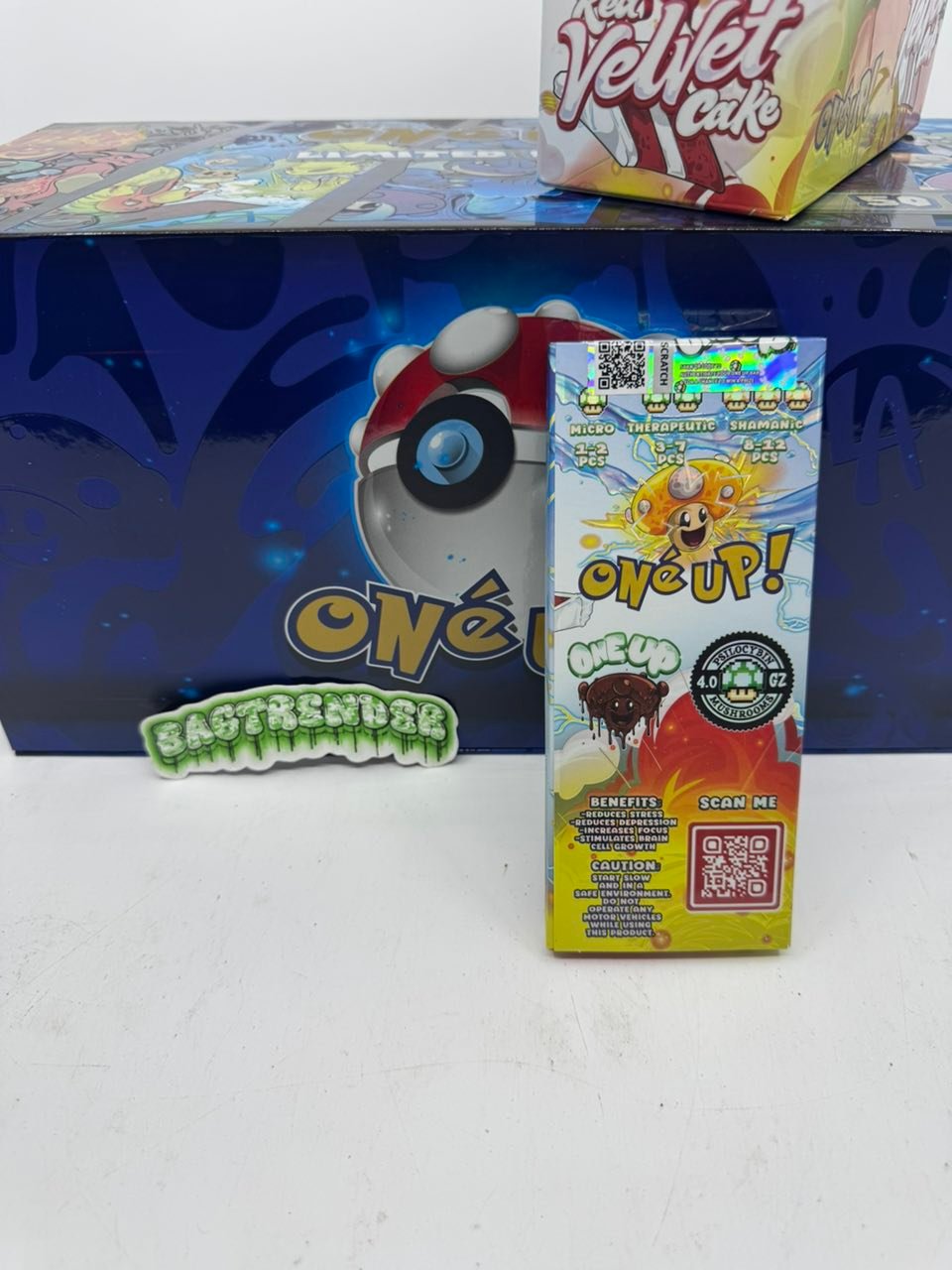

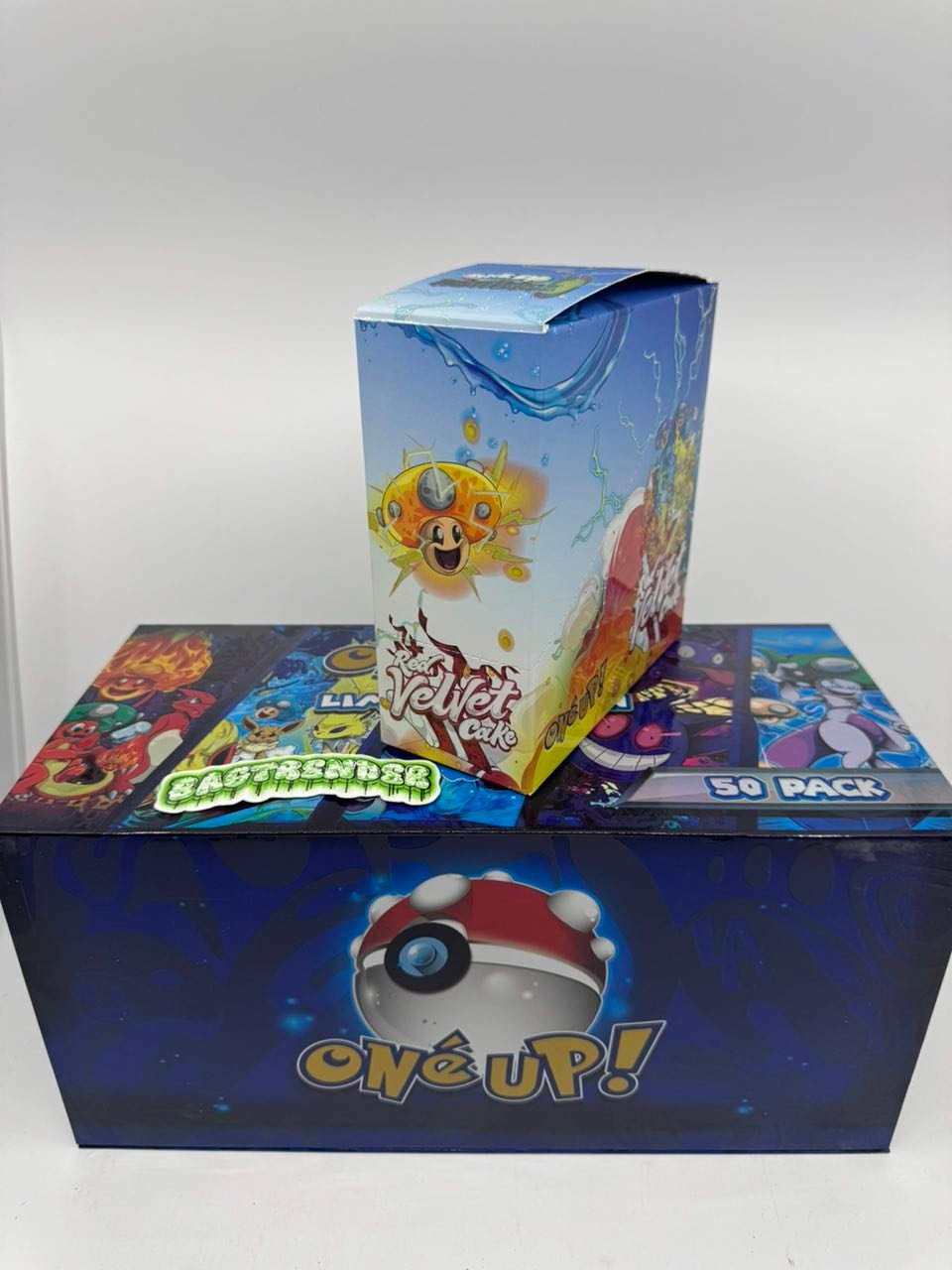
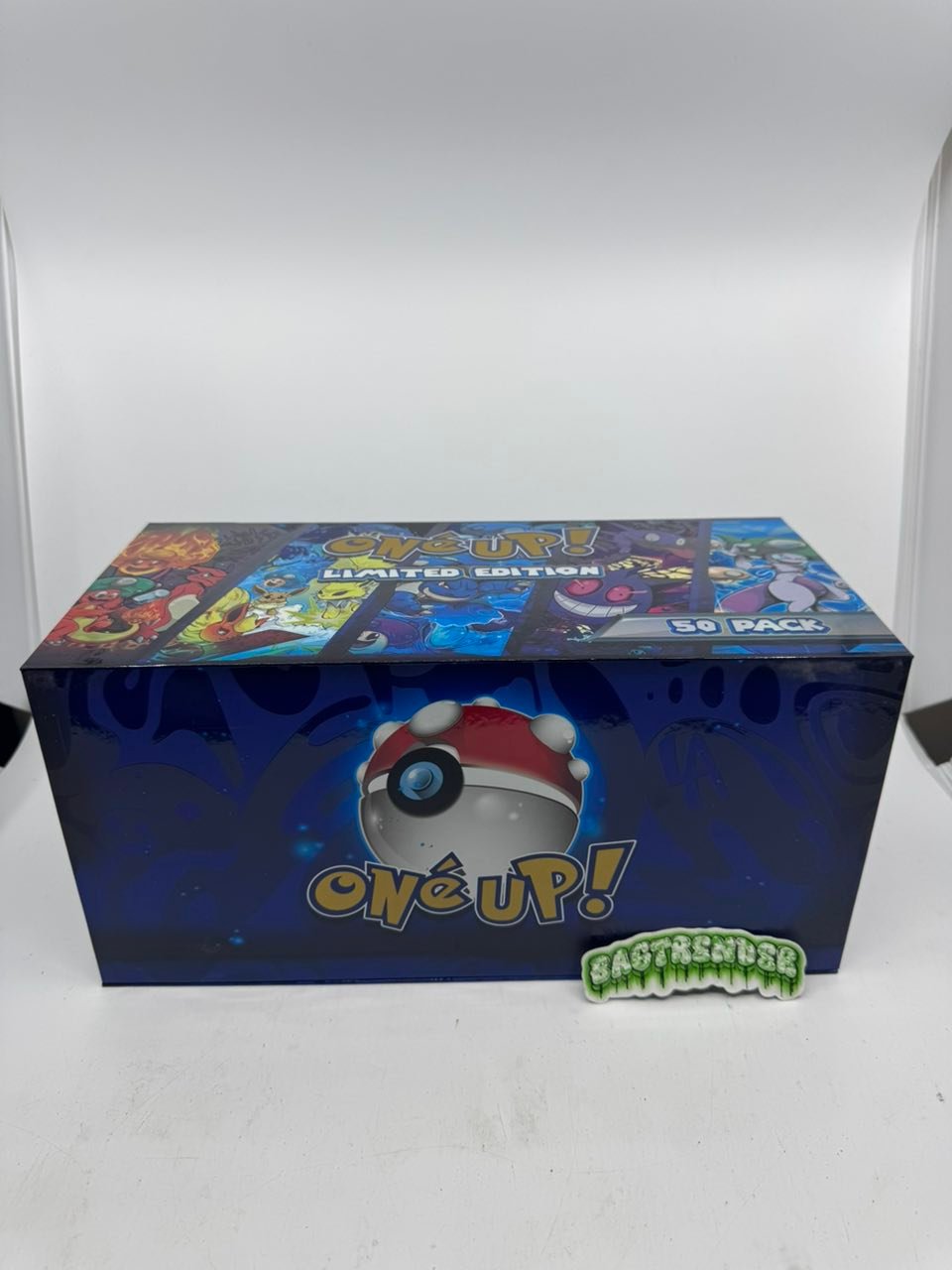
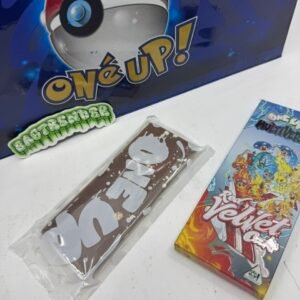

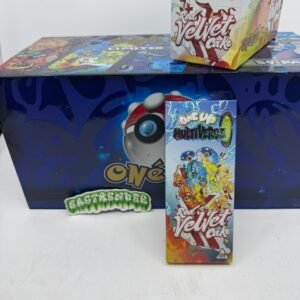
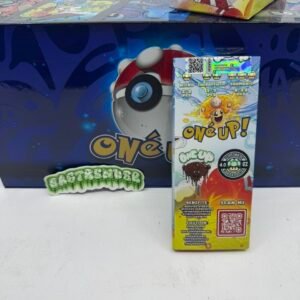

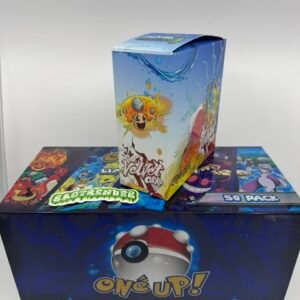
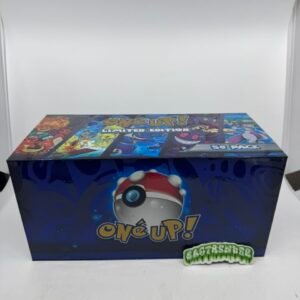
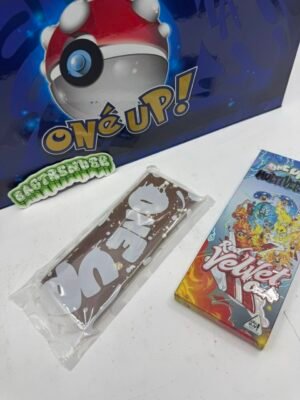
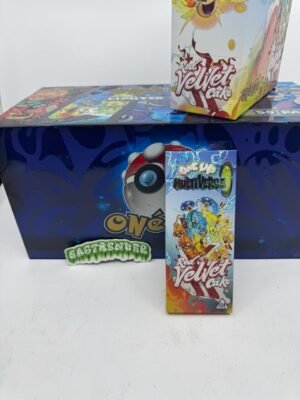
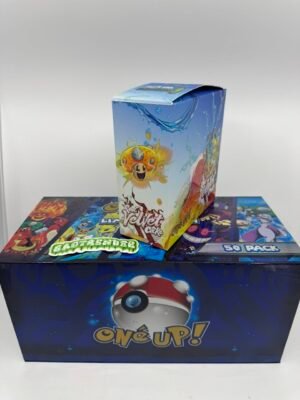
One Up Mushroom Chocolate Bar
Price range: $27.50 through $440.00
Informational guide to One Up Mushroom Chocolate Bars covering ingredients, safety considerations, legal context, labeling transparency, and key differences between functional and psychoactive mushroom products.
One Up Mushroom Chocolate Bar — Informational Overview, Safety Context, and Consumer Awareness Guide
Introduction
Products marketed as mushroom-infused chocolate bars—often labeled under names like “One Up Mushroom Chocolate Bar”—have become increasingly visible in online discussions and niche retail environments. This page provides a neutral, compliance-focused overview intended for informational and educational purposes only. It does not promote, sell, or facilitate the acquisition of controlled substances. Instead, it is structured to clarify what these products are, how they are typically represented, and what safety, legal, and quality considerations consumers should understand before engaging with this category.
The term “mushroom chocolate bar” can refer to two very different product classes. On one end, there are legal, commercially available chocolates infused with functional (non-psychoactive) mushrooms such as reishi, lion’s mane, or cordyceps. On the other, some products are marketed as containing psychoactive compounds derived from certain fungi. The distinction is not cosmetic—it is regulatory, pharmacological, and safety-critical.
Category Definition: What Is a Mushroom Chocolate Bar?
A mushroom chocolate bar is generally a confectionery product combining cocoa-derived chocolate with powdered mushroom material or extracts. The formulation, purpose, and legality of the product depend entirely on the type of mushroom used.
1. Functional Mushroom Chocolate (Legal in many jurisdictions)
These products use non-psychoactive fungi commonly associated with wellness applications. Examples include:
- Lion’s mane (cognitive support research context)
- Reishi (adaptogenic research context)
- Cordyceps (energy metabolism research context)
Such products are typically sold as dietary supplements or specialty foods and are subject to food safety and labeling regulations.
2. Psychoactive Mushroom Chocolate (Highly regulated or illegal in many jurisdictions)
Some products are marketed as containing compounds like psilocybin or psilocin. These compounds interact with serotonin receptors and can produce altered perception, cognition, and mood. In many countries, including the United States at the federal level, these substances are classified as controlled substances.
Ingredient Composition (Generalized)
While formulations vary significantly by manufacturer, mushroom chocolate bars typically include:
- Chocolate Base: Cocoa mass, cocoa butter, sugar, and sometimes milk solids (for milk chocolate variants)
- Flavoring Agents: Vanilla, natural flavor extracts, or fruit inclusions
- Mushroom Component: Powdered fruiting body or extract (type varies)
- Emulsifiers: Lecithin (soy or sunflower) to stabilize texture
For functional products, the mushroom component is usually standardized and labeled with dosage per serving. For unregulated products, ingredient transparency is often inconsistent or absent, which introduces significant uncertainty.

Manufacturing and Quality Control Considerations
From a food science and safety perspective, the reliability of any ingestible product depends on controlled manufacturing processes. Key factors include:
1. Source Verification
Reputable producers of legal mushroom products typically disclose sourcing, including cultivation methods and species identification. Lack of transparency is a red flag.
2. Laboratory Testing
For compliant products, third-party lab testing may verify:
- Microbial safety (absence of pathogens)
- Heavy metal contamination
- Active compound consistency (for functional mushrooms)
In unregulated markets, lab verification is often absent or unverifiable.
3. Dosage Accuracy
Uniform distribution of active compounds within a chocolate matrix is technically non-trivial. Poorly manufactured products may result in inconsistent dosing across segments of the bar.
Legal Landscape (High-Level Overview)
The regulatory status of mushroom-infused products varies significantly by jurisdiction:
- United States: Psilocybin is federally classified as a Schedule I substance. Some municipalities have decriminalized possession, but commercial sale remains broadly prohibited.
- Canada: Psilocybin is a controlled substance, with limited exemptions for medical or research use.
- European Union: Regulations differ by country; many maintain strict controls.
- Other Regions: Enforcement and classification vary widely.
Functional mushrooms, by contrast, are generally legal when marketed as food or supplements, provided they comply with local food safety regulations.
The critical point: legality is not uniform, and assumptions based on online availability are often incorrect.
Safety and Risk Considerations
This category carries materially different risk profiles depending on product type.
For Functional Mushroom Chocolate:
- Generally considered low risk when sourced from reputable manufacturers
- Possible mild side effects depending on individual sensitivity
- Potential interactions with medications should be evaluated
For Psychoactive Products (where illegal or unregulated):
- Dosage Uncertainty: Inconsistent or unknown concentrations
- Psychological Effects: Altered perception, anxiety, or distress in some individuals
- Adulteration Risk: Potential inclusion of undisclosed substances
- Lack of Medical Oversight: No standardized clinical framework in informal markets
Harm-reduction frameworks emphasize controlled environments, informed awareness, and avoidance of unknown products. However, these frameworks do not mitigate legal risk.
Labeling and Transparency Issues
A recurring problem in this category is mislabeling or incomplete labeling. Consumers may encounter:
- Absence of ingredient lists
- No verifiable manufacturer identity
- Lack of batch numbers or expiration dates
- Unsubstantiated claims (e.g., potency, purity)
In regulated industries, these omissions would be disqualifying. Their presence signals elevated risk.
Differentiating Authentic vs. Questionable Products
From an analytical standpoint, evaluating product credibility involves:
Indicators of Higher Credibility (for legal products):
- Clear ingredient disclosure
- Third-party lab reports
- Traceable brand identity
- Compliance with food labeling laws
Indicators of Elevated Risk:
- Anonymous or unverifiable branding
- Overstated or sensational claims
- Lack of testing documentation
- Inconsistent packaging or duplication across sellers
Consumer Awareness: Common Misconceptions
“If it’s sold online, it must be legal.”
Incorrect. Online availability does not imply regulatory compliance.
“Chocolate format guarantees even dosing.”
False. Uniform distribution depends on manufacturing quality.
“All mushroom chocolates are the same.”
Incorrect. Functional and psychoactive products differ fundamentally in chemistry, legality, and risk.
Storage and Handling (General Guidance)
For any chocolate-based product:
- Store in a cool, dry environment (typically 15–20°C)
- Avoid direct sunlight and humidity
- Keep out of reach of children and pets
For products with active biological components, degradation over time is possible, particularly under poor storage conditions.
Ethical and Regulatory Context
There is ongoing scientific research into the therapeutic potential of certain psychedelic compounds, particularly in controlled clinical environments. However, this research operates under strict regulatory oversight, with controlled dosing, screening, and professional supervision.
Unregulated consumer products do not replicate these conditions. Conflating clinical research with informal product use is a category error that leads to poor decision-making.
Frequently Asked Questions
Q: Are all mushroom chocolate bars psychoactive?
No. Many contain only functional mushrooms and are non-psychoactive.
Q: How can I verify what a product contains?
Only through credible labeling and independent lab testing. Without these, verification is not reliable.
Q: Are these products safe?
Safety depends entirely on formulation, legality, and manufacturing quality. Unregulated products carry higher risk.
Q: Why is there so much inconsistency in this market?
Because parts of the category operate outside formal regulatory frameworks.
Conclusion
The “One Up Mushroom Chocolate Bar” label represents a broader category rather than a standardized, regulated product. Understanding the distinction between functional and psychoactive formulations is essential, as it determines legality, safety, and consumer risk.
From a rigorous standpoint, the primary variables that matter are:
- Substance classification (legal vs. controlled)
- Manufacturing transparency
- Verified testing and labeling
- Jurisdictional compliance
Any evaluation that ignores these variables is incomplete. If the objective is long-term viability—whether as a consumer or a business operator—alignment with regulatory frameworks and verifiable quality standards is not optional; it is foundational.
| Flavor | cookies & cream, dark cocoa classic, milk chocolate smooth, hazelnut crunch, caramel swirl, mint chocolate, white chocolate vanilla, peanut butter chocolate, strawberry cream, mocha espresso, coconut chocolate, orange zest dark chocolate, 5 Packs ( Mixed ), 10 Packs ( Mixed ), 25 Packs ( Mixed ), 50 Packs ( Mixed ), 100 Packs ( Mixed ), 250 Packs ( Mixed ), 500 Packs ( Mixed ), 1000 Packs ( Mixed ) |
|---|
Be the first to review “One Up Mushroom Chocolate Bar”
Related products
Fusion 6G Mushroom Bar
Reviews
There are no reviews yet.