
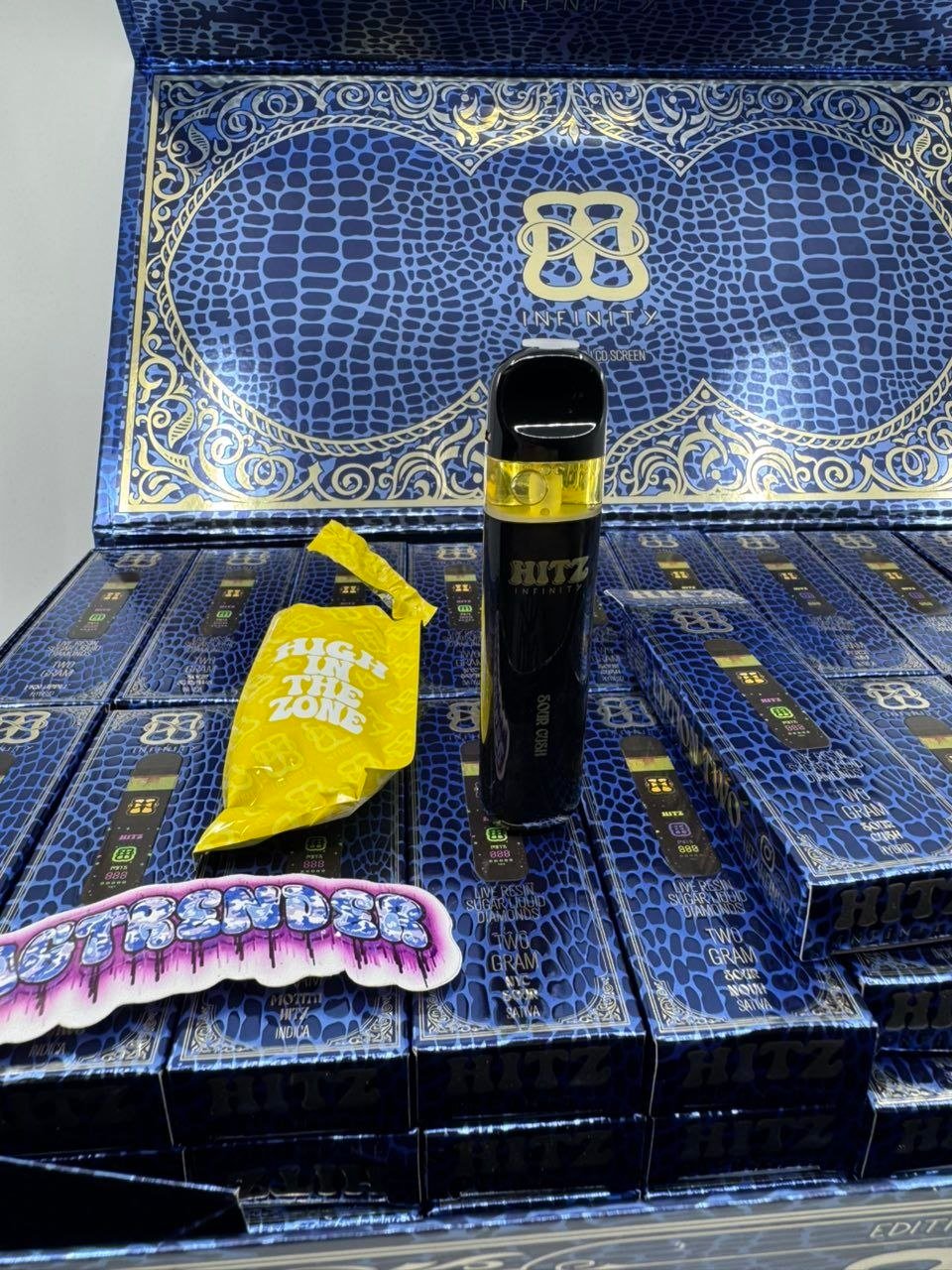
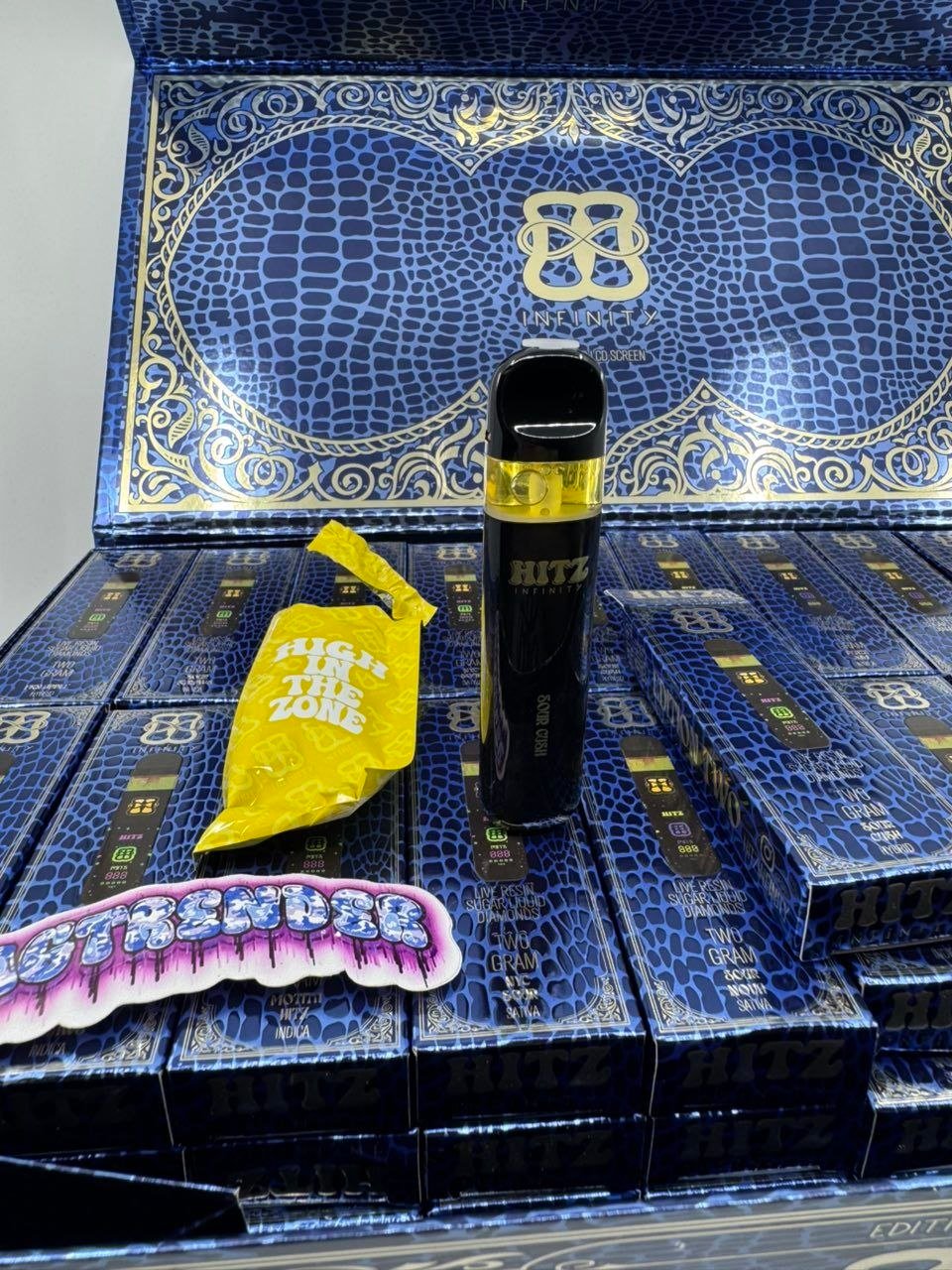
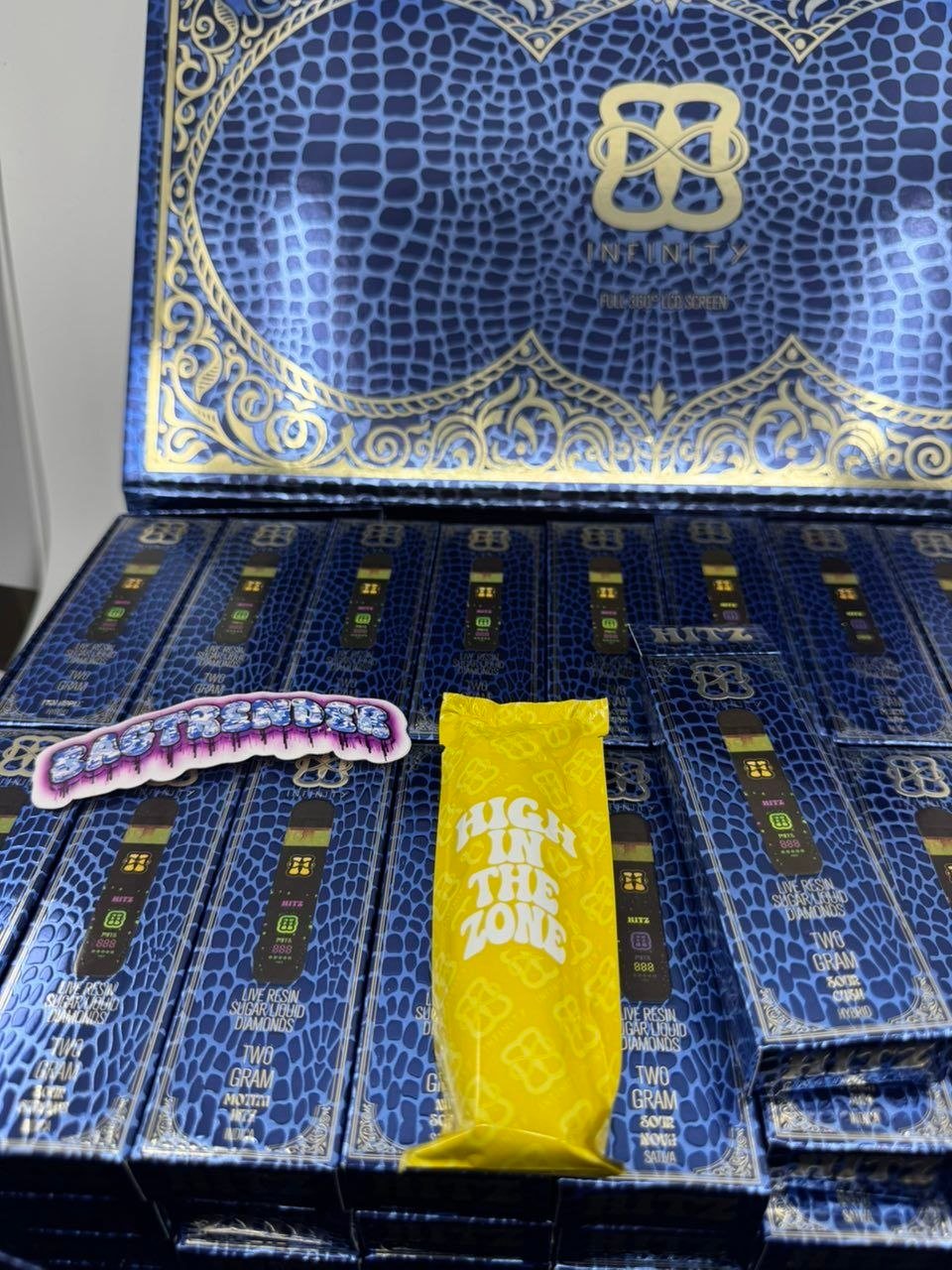
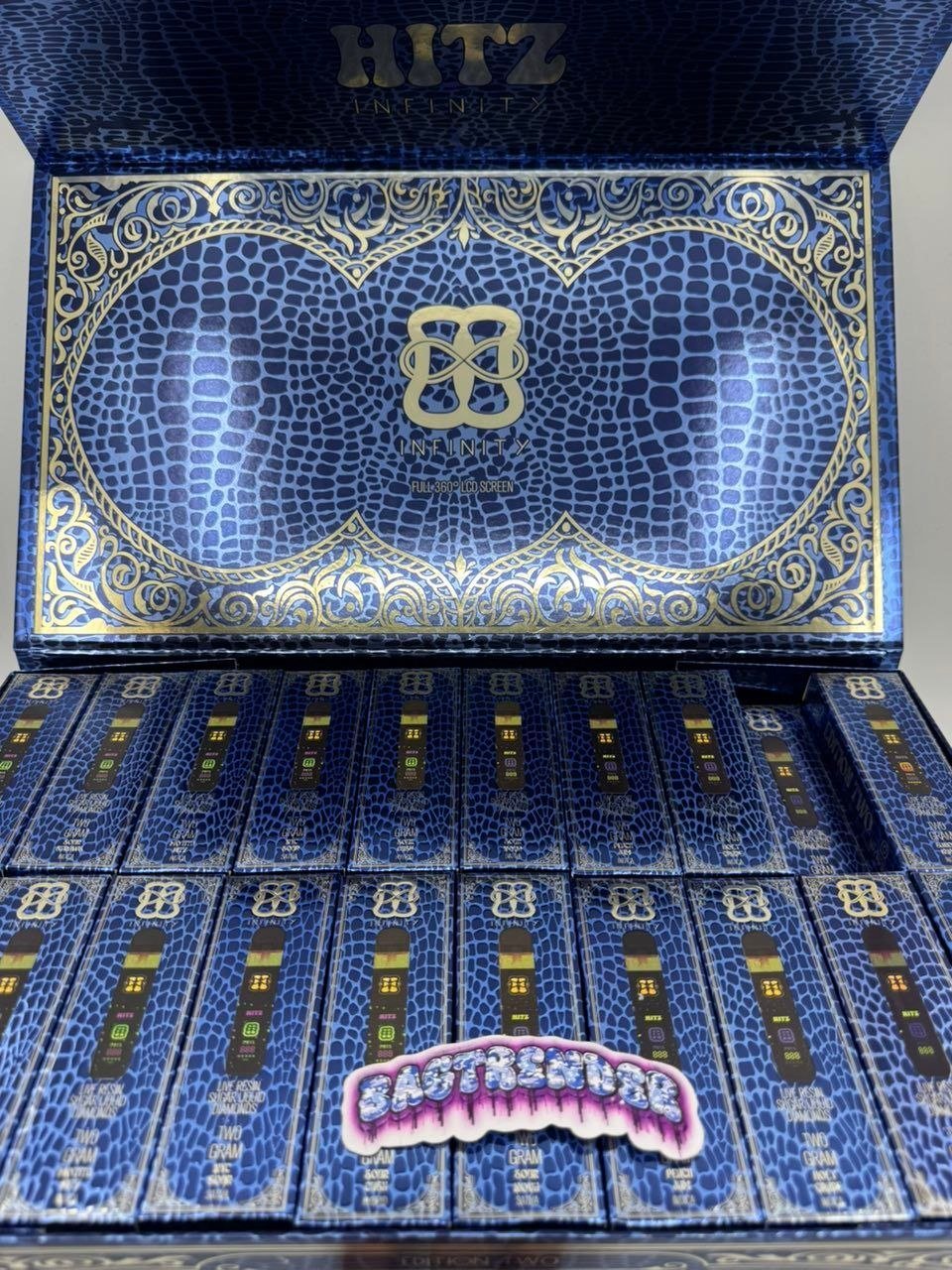
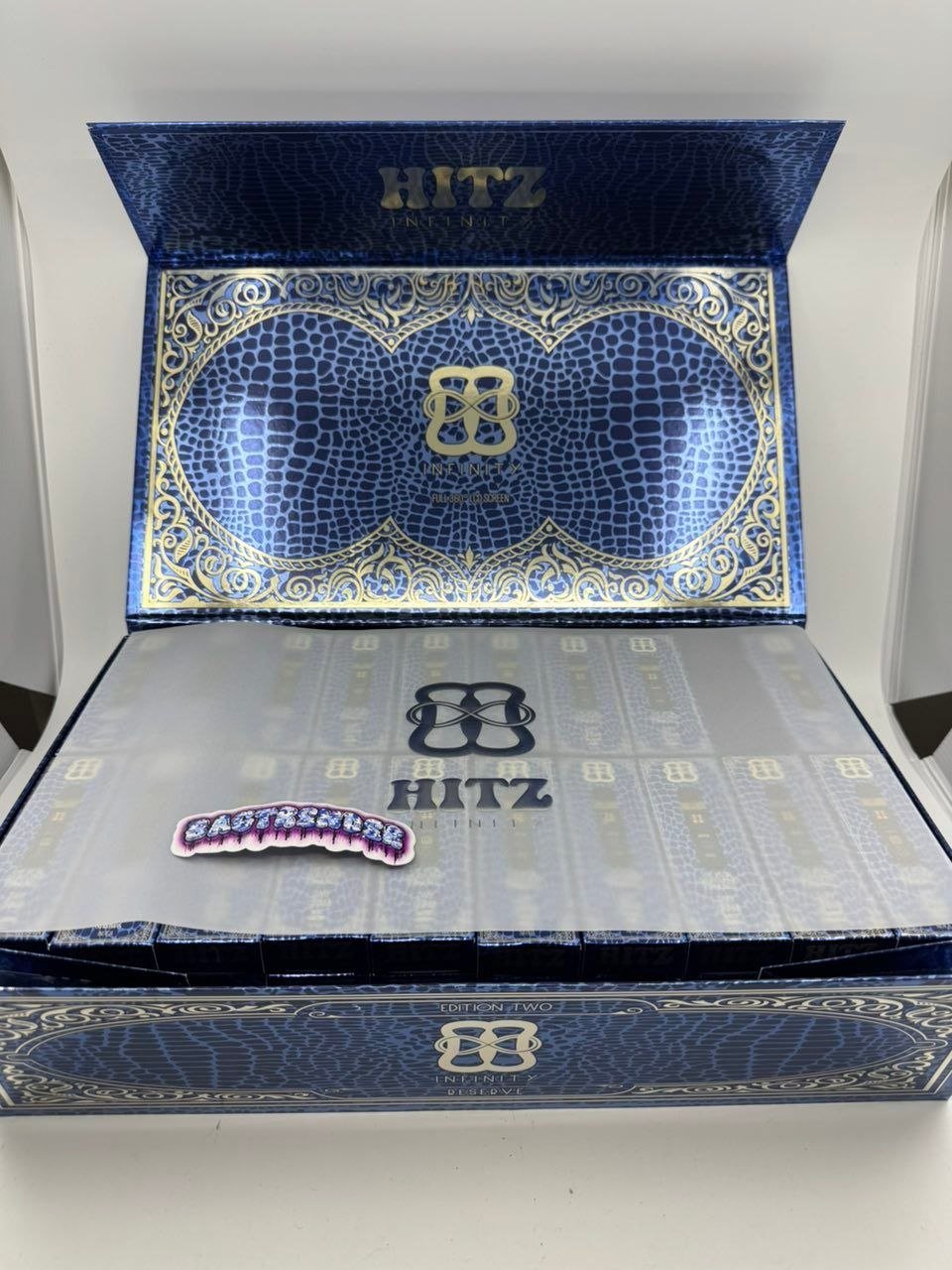
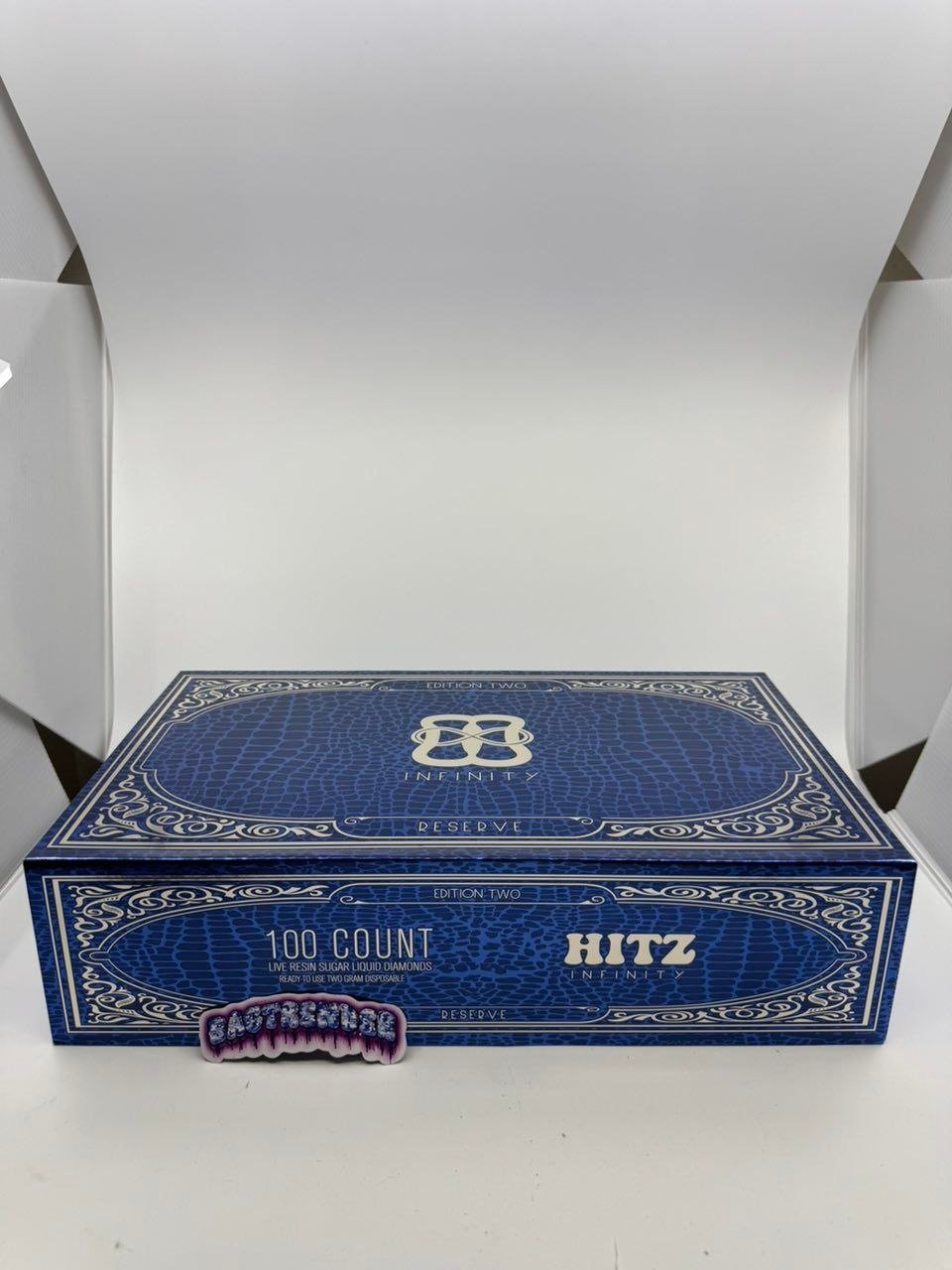





Buy Hitz Infinity Blue Label Disposable
Price range: $27.50 through $6,699.99
Hitz Infinity Blue Label Disposable is a prefilled single-use vapor device featuring an integrated battery and sealed cartridge system. Designed for convenience and portability, it follows a closed-system architecture with no refill or maintenance requirements. Specifications may vary by batch and should be verified through official packaging and compliance documentation.
PRODUCT OVERVIEW: HITZ INFINITY BLUE LABEL DISPOSABLE
The Hitz Infinity Blue Label Disposable is presented as a single-use electronic vapor device positioned within the disposable vape category. Devices of this class typically integrate a prefilled reservoir, an internal battery system, and an atomization unit in a sealed chassis designed for non-serviceable use. This overview treats the product strictly as a technical consumer device rather than a lifestyle or wellness product.

Because naming conventions such as “Infinity” and “Blue Label” are branding constructs rather than standardized technical classifications, they should not be interpreted as regulatory indicators or guarantees of performance consistency across batches. Any real-world evaluation must prioritize verified specifications from packaging, lab documentation, or distributor disclosures.
DEVICE ARCHITECTURE AND FUNCTIONAL DESIGN
Disposable vapor devices generally follow a closed-loop system architecture. The Hitz Infinity Blue Label Disposable is understood within this framework as a self-contained unit composed of three primary subsystems:
First, the energy module, typically a lithium-based internal battery. Capacity is not reliably inferable from branding alone and should be confirmed through manufacturer specification sheets or safety labeling. Battery performance directly influences draw consistency and total usable lifespan.
Second, the aerosolization component, usually a resistive coil or mesh-based heating element. Mesh configurations are increasingly common in modern disposable devices due to improved surface area contact and more uniform thermal distribution. However, without verified technical documentation, coil geometry and resistance values remain unconfirmed.
Third, the prefilled liquid reservoir, which contains a viscous solution intended for vaporization. Composition varies significantly by manufacturer and jurisdiction. In regulated contexts, constituents may include propylene glycol, vegetable glycerin, flavoring agents, and nicotine compounds where permitted. Exact formulation for this specific product must be verified via lab testing rather than assumed.
CAPACITY, USAGE ESTIMATES, AND VARIABILITY
Disposable vape products are frequently marketed using approximate puff counts. These figures are not standardized and should not be treated as precise consumption metrics. Variability arises from draw duration, airflow resistance, battery efficiency, and environmental conditions such as temperature.
For any product labeled under “Infinity” style naming, implied endurance or extended-use positioning should be interpreted cautiously. Without independently validated cycle testing, puff count claims remain statistical estimates rather than measurable guarantees.
Users and retailers should treat lifespan expectations as variable ranges rather than fixed outcomes.
FLAVOR SYSTEM AND SENSORIAL PROFILE (NON-PROMOTIONAL FRAME)
If flavor differentiation is included in a “Blue Label” designation, it is typically a branding layer rather than a technical classification. Flavor systems in vapor products are created using food-grade or industrial flavoring compounds depending on jurisdictional regulation.
From an analytical standpoint, flavor perception is influenced by coil temperature stability, airflow rate, and liquid viscosity. Any description of flavor should be considered subjective and non-standardized unless verified through controlled sensory panels.

No specific flavor claims are asserted here due to lack of validated product specification data.
SAFETY CONSIDERATIONS AND RISK CONTEXT
All disposable vapor devices carry inherent risks associated with lithium battery systems and inhalation aerosol generation. Key safety considerations include:
Battery integrity: Lithium-based cells can degrade under improper storage conditions, including exposure to heat, puncture, or over-discharge. Device failure risk increases with physical damage or prolonged storage beyond manufacturer-recommended shelf life.
Thermal stability: Coil overheating may occur under conditions of continuous or aggressive usage patterns, potentially affecting aerosol composition consistency.
Inhalation exposure: Aerosolized vapor products are not risk-free. Long-term health impacts remain an active area of scientific evaluation, and users should not interpret usage as medically neutral.
Regulatory compliance: Depending on jurisdiction, products in this category may be subject to age restrictions, import controls, and labeling requirements. Compliance status must be independently verified at point of sale.
This product category is not appropriate for individuals below the legal purchasing age in their jurisdiction.
QUALITY CONTROL AND MANUFACTURING VARIABILITY
A critical assumption often made in disposable vape marketing is uniformity across batches. In practice, manufacturing variability exists due to supply chain fluctuations in coil materials, battery sourcing, and liquid formulation consistency.
Without access to ISO-certified manufacturing disclosures or third-party laboratory verification, it is not possible to confirm batch-to-batch consistency for the Hitz Infinity Blue Label Disposable.
Retailers should therefore treat any quality claims as conditional rather than absolute.
REGULATORY AND COMPLIANCE POSITIONING
In modern regulated marketplaces, vapor devices must be evaluated through compliance frameworks rather than branding narratives. Relevant compliance factors typically include:
Age-gating enforcement requirements
Nicotine content disclosure (where applicable)
Ingredient transparency standards
Packaging warnings and hazard labeling
Testing for heavy metals, residual solvents, and contaminants
Battery transport compliance (UN38.3 or equivalent standards)
No assumption should be made that branding such as “Blue Label” indicates regulatory certification. Only documented compliance filings or lab reports are valid indicators.

STORAGE AND HANDLING GUIDANCE (GENERALIZED)
Disposable vapor devices should be stored under stable environmental conditions to reduce performance degradation risk. Recommended handling considerations typically include:
Avoiding direct sunlight exposure
Maintaining moderate ambient temperatures
Preventing mechanical stress on the chassis
Avoiding prolonged humidity exposure
Improper storage can lead to leakage, battery instability, or reduced aerosol performance.
END-OF-LIFE DISPOSAL CONSIDERATIONS
As a lithium battery-containing product, the Hitz Infinity Blue Label Disposable should not be disposed of in general waste streams. Improper disposal may create environmental hazards related to heavy metals and battery chemical leakage.
Appropriate disposal pathways generally include electronic waste recycling programs or designated battery collection systems, depending on local regulations.
MARKET POSITIONING ANALYSIS (CRITICAL VIEW)
The disposable vape category is structurally driven by convenience, low entry friction, and standardized form factors. However, branding-heavy product naming often obscures the lack of transparent technical differentiation between devices.
“Infinity” and “Label” style branding should be treated as marketing segmentation rather than engineering classification. Without third-party validation, these terms do not reliably indicate improved safety, performance, or longevity.
A more rigorous evaluation would prioritize:
Verified battery capacity (mAh)
Measured liquid volume (mL)
Coil resistance specifications (ohm rating)
Laboratory-tested emissions data
Certificate of analysis availability
If those are not available, then the product remains a consumer convenience item with limited technical auditability.
FINAL TECHNICAL SUMMARY
The Hitz Infinity Blue Label Disposable fits within the standard disposable vape device category characterized by integrated battery-liquid-coil architecture and non-refillable operation. Its branding suggests extended-use positioning, but actual performance metrics must be validated through empirical testing rather than assumed from naming conventions.
From a compliance and risk perspective, the most important constraints are not marketing descriptors but verified safety documentation, regulatory approval status in the selling jurisdiction, and transparent disclosure of materials and nicotine content (if applicable).
Without those elements, any commercial description should remain strictly informational and non-assertive.
| Flavor | Blueberry Ice, Mango Ice, Strawberry Ice, Watermelon Ice, Grape Ice, Pineapple Ice, Mixed Berry, Tropical Fruit, Mint, Menthol, Peach Ice, Apple Ice, Citrus Ice, Banana Ice, 5 Packs ( Mixed ), 10 Packs ( Mixed ), 25 Packs ( Mixed ), 50 Packs ( Mixed ), 100 Packs ( Mixed ), 250 Packs ( Mixed ), 500 Packs ( Mixed ), 1000 Packs ( Mixed ) |
|---|
Be the first to review “Buy Hitz Infinity Blue Label Disposable”
Related products
Raw Garden All-In-One Disposable

Hitz Infinity Emerald Edition
Hitz Infinity Emerald Edition | Premium High-Capacity Device
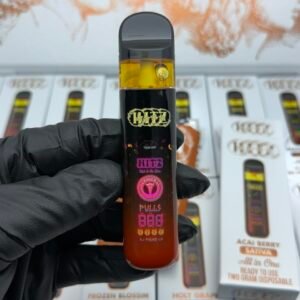
Hitz Zeus Series Disposable
Slugger Hit Disposable 3G
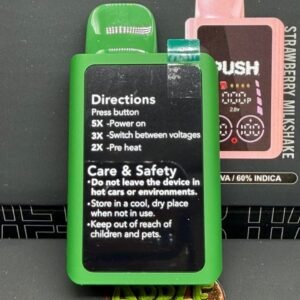
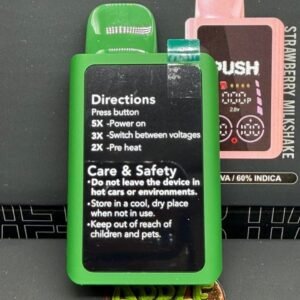
Push 2 Gram Disposable
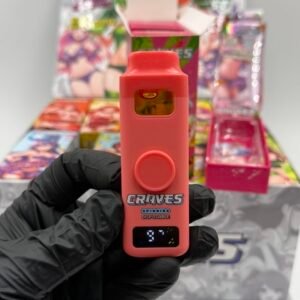
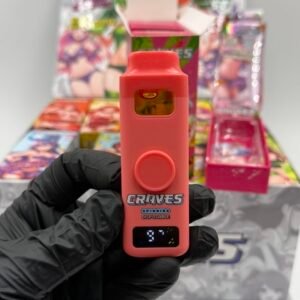
Craves Spinning 2G Disposable

Foger Switch Kit Disposable
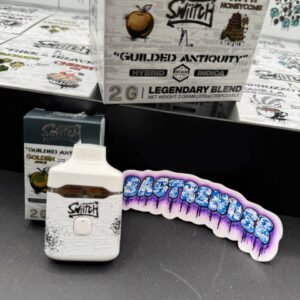
Switch Disposable Vape Pen
Reviews
There are no reviews yet.