
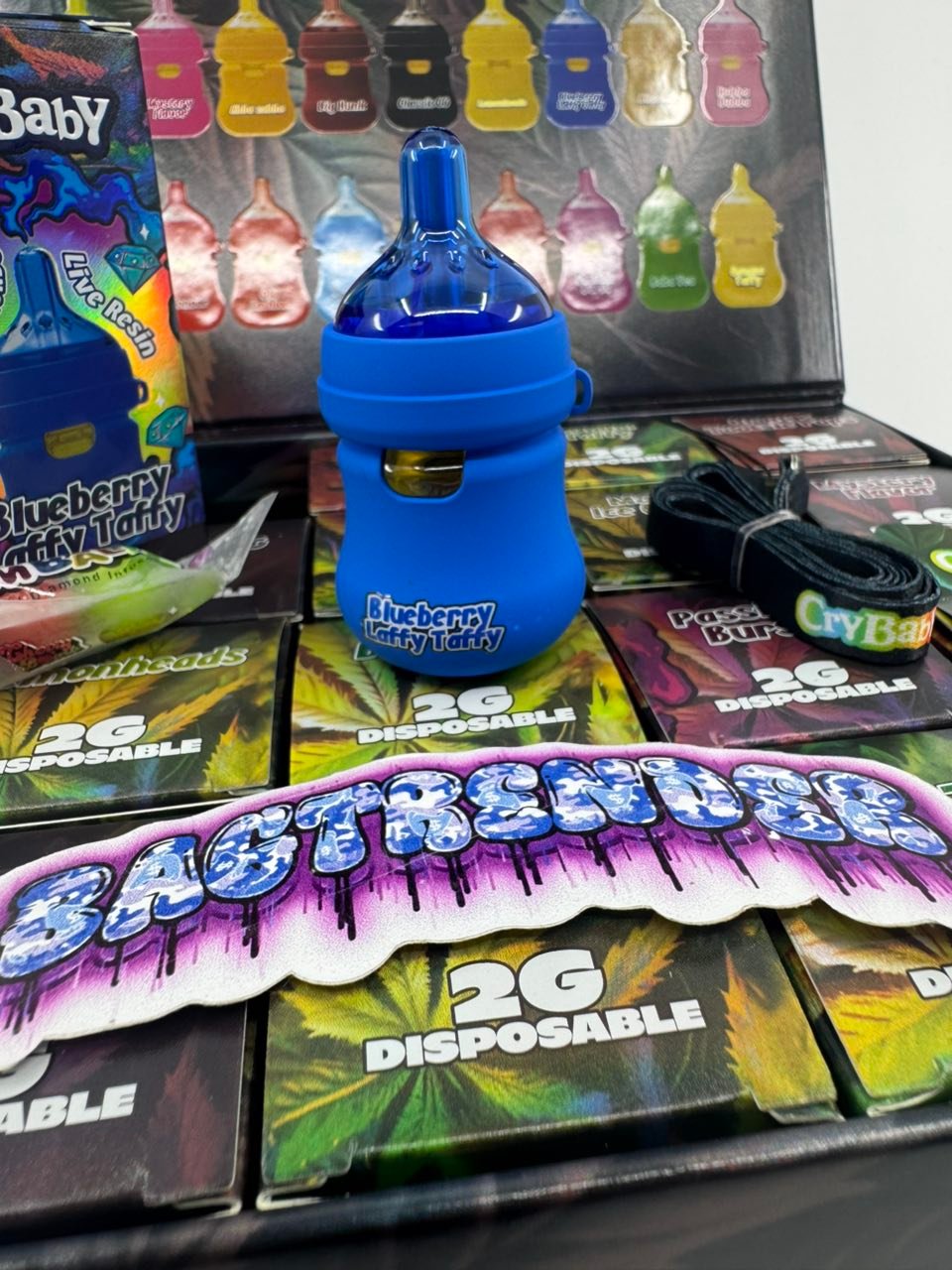
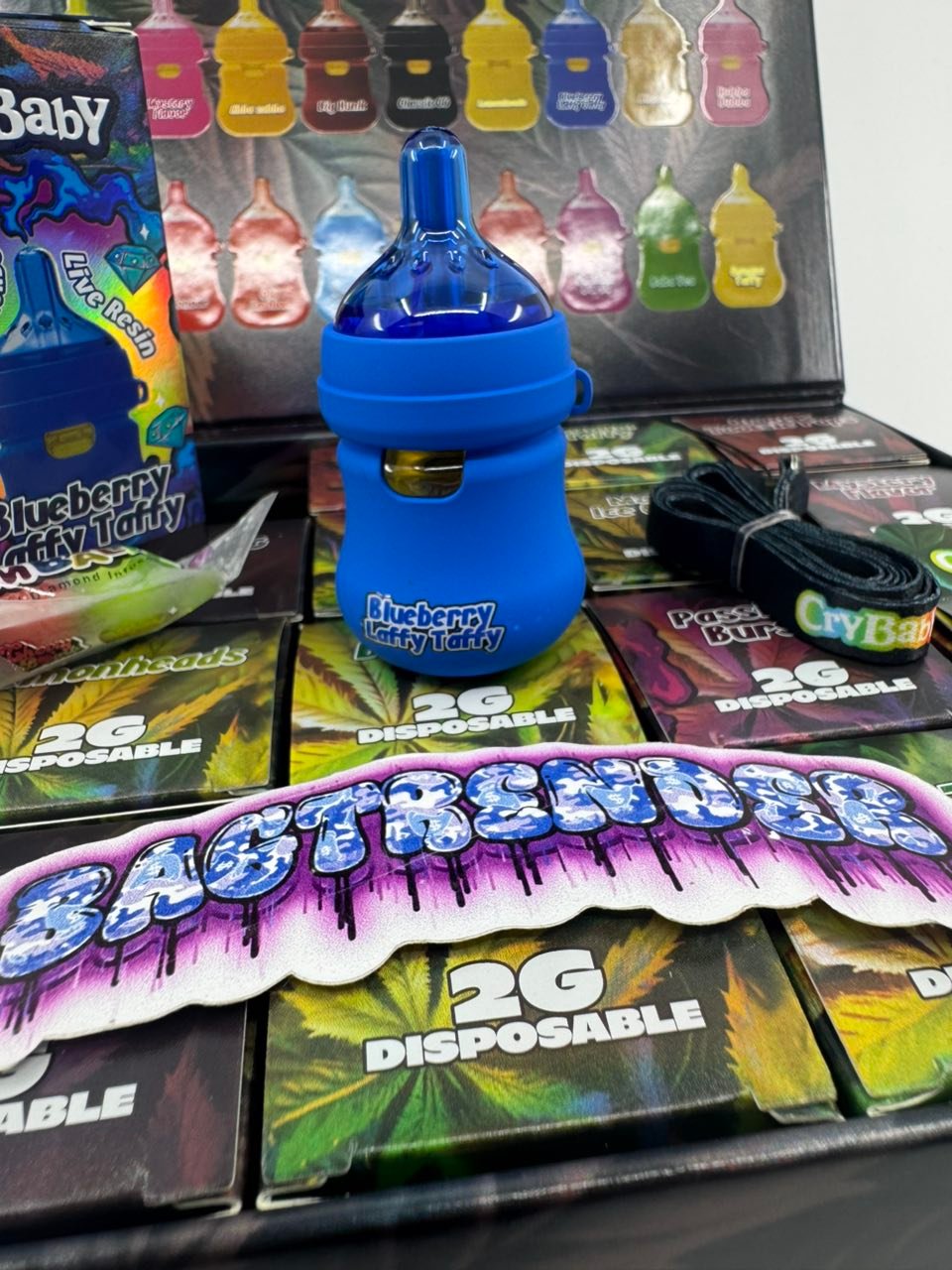
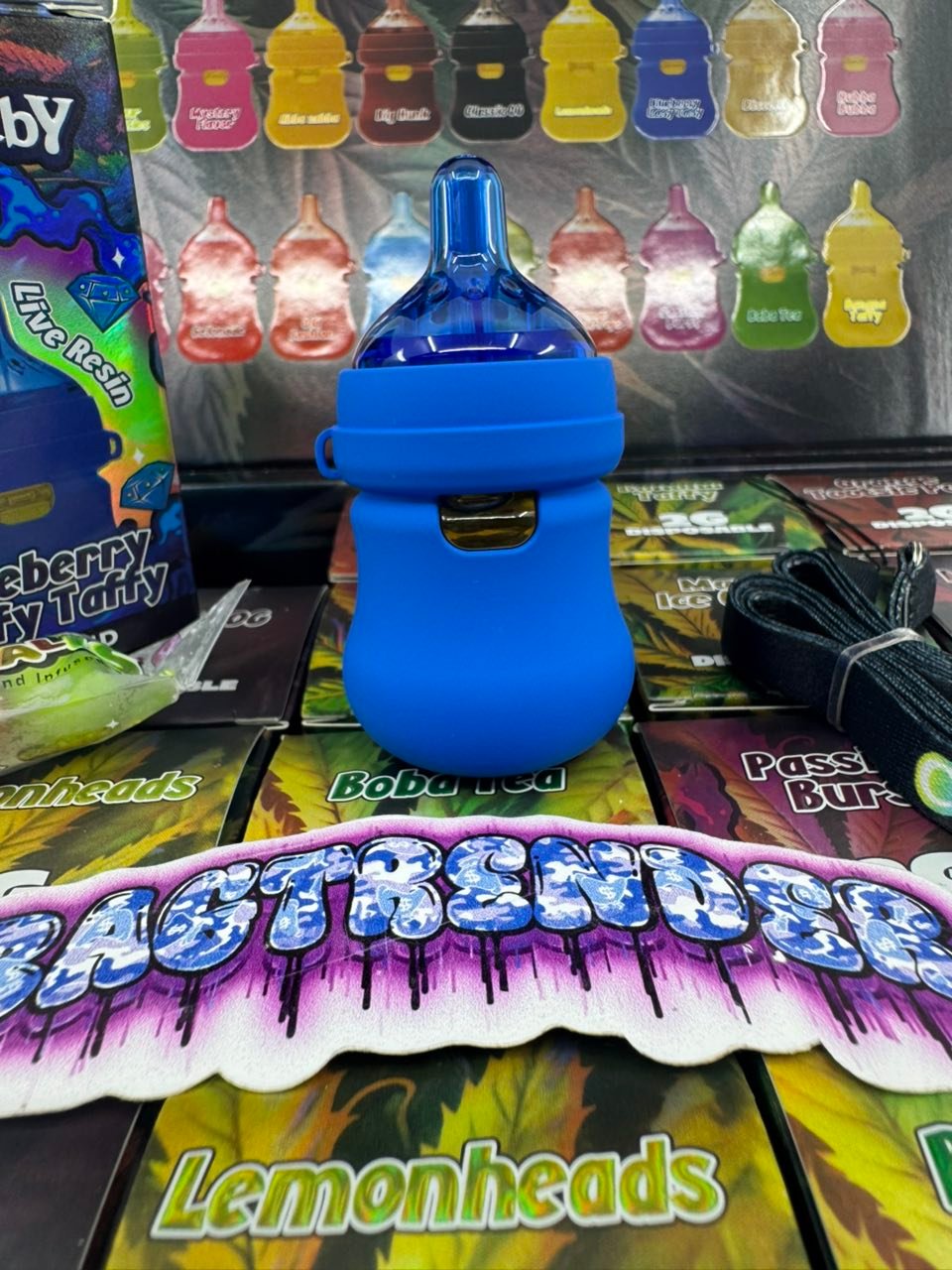
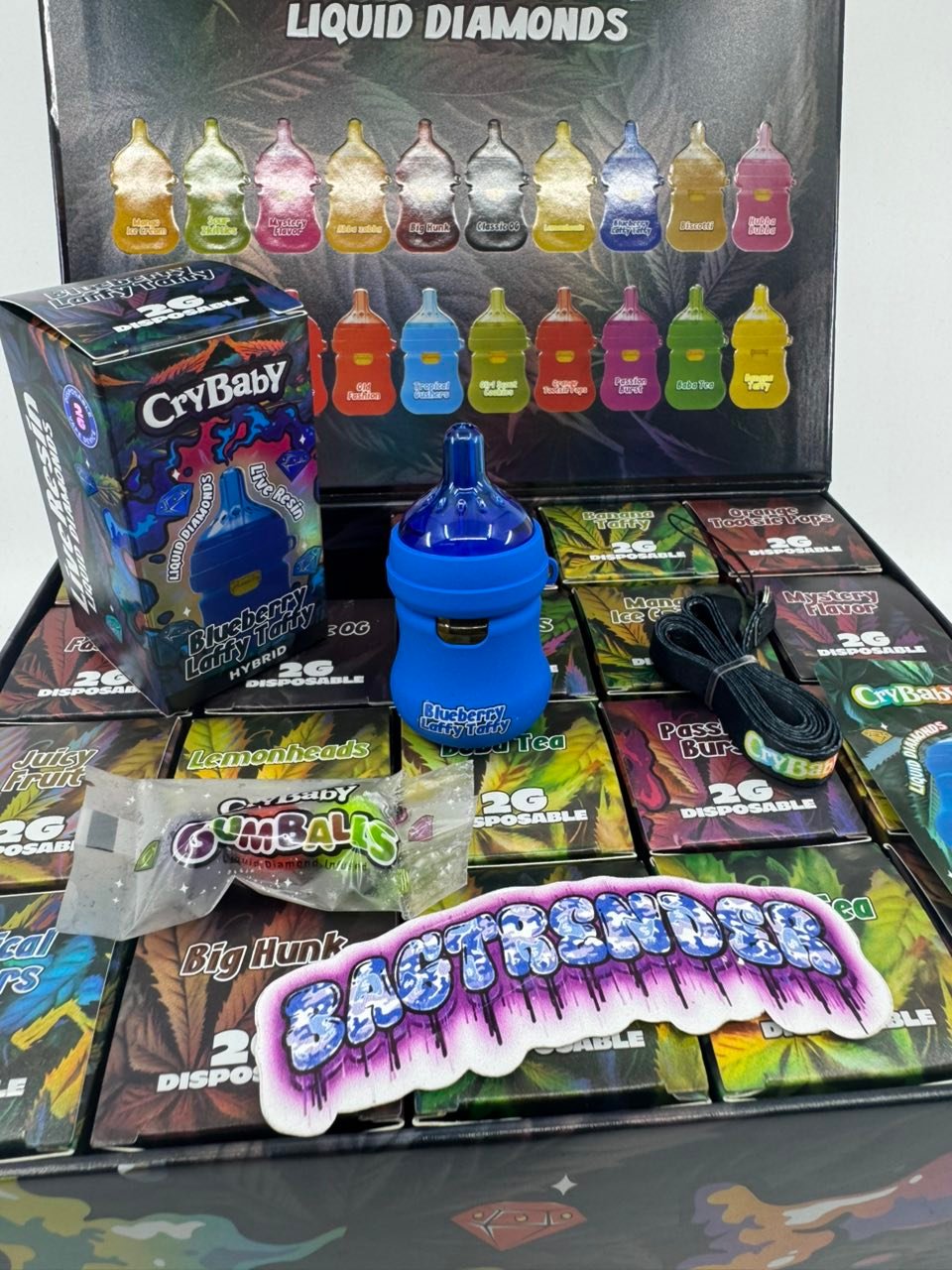
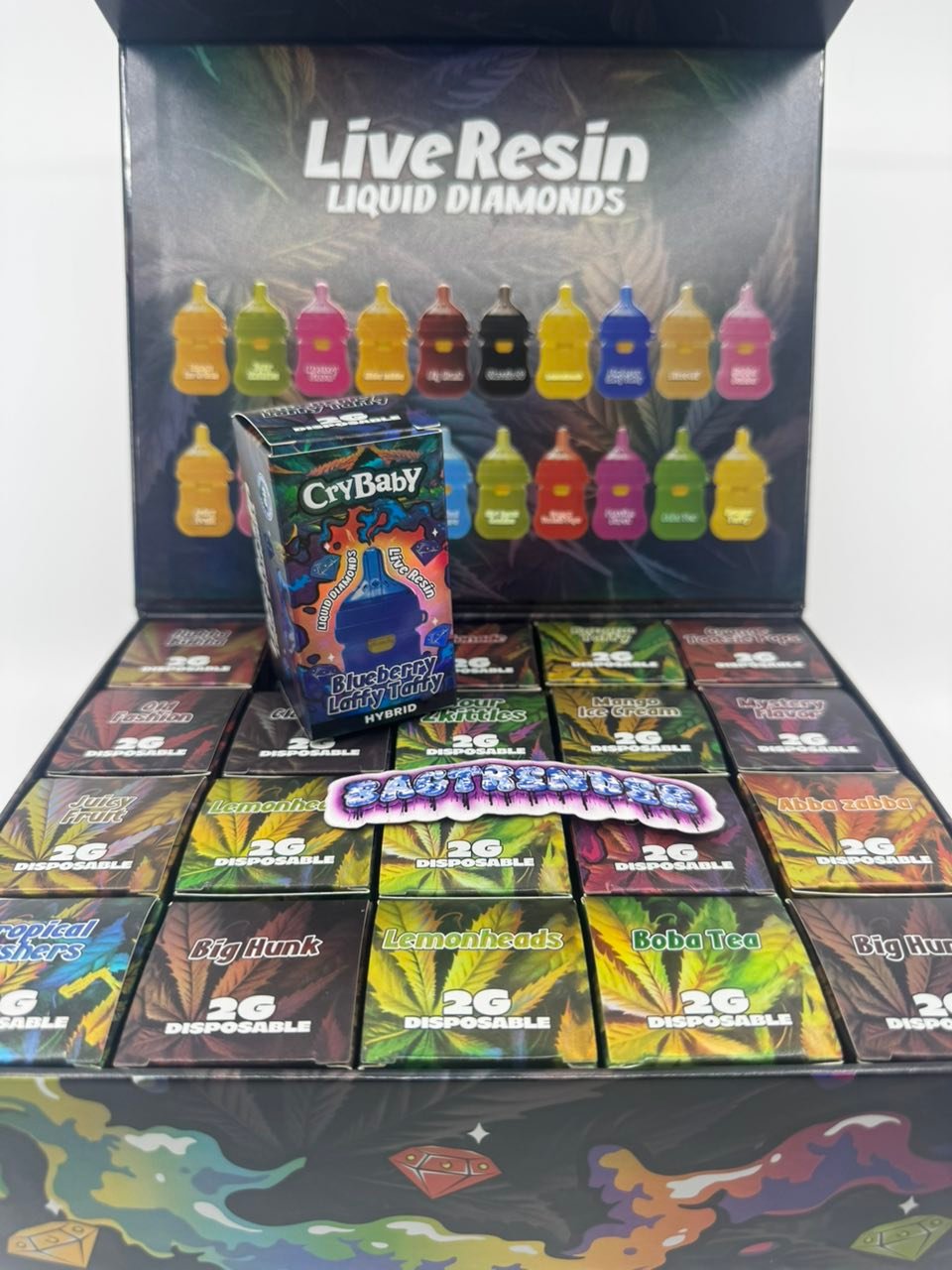
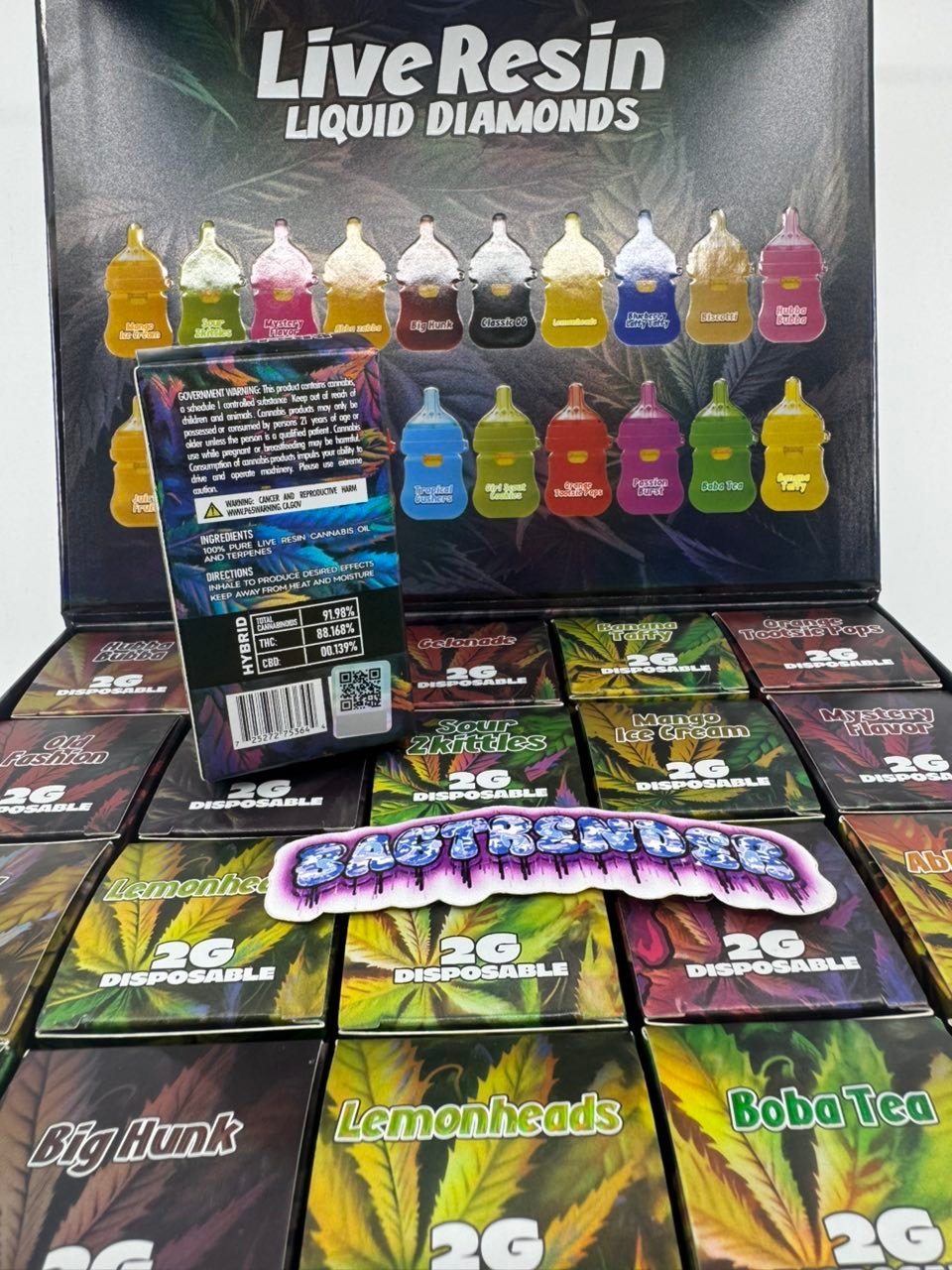
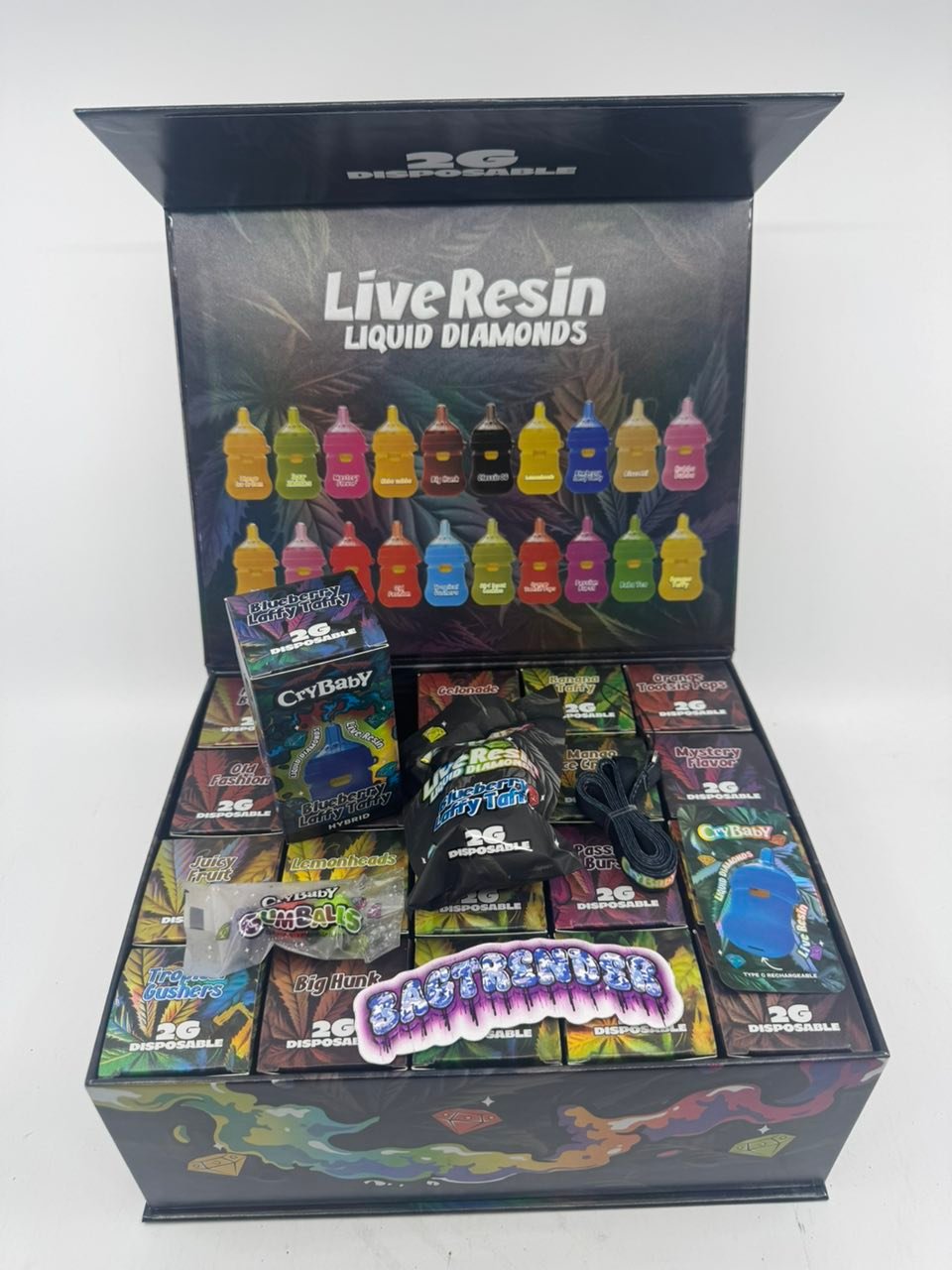
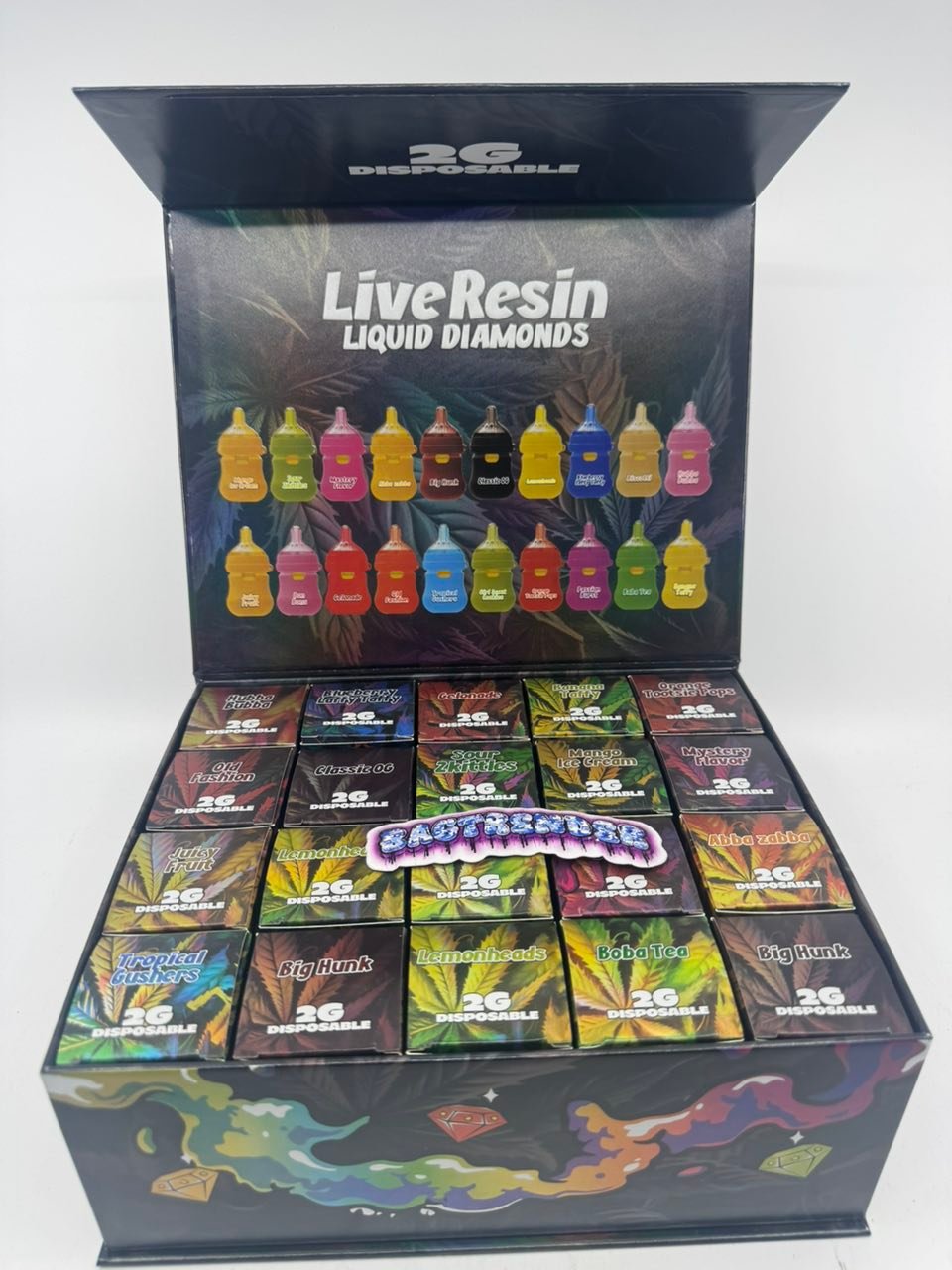
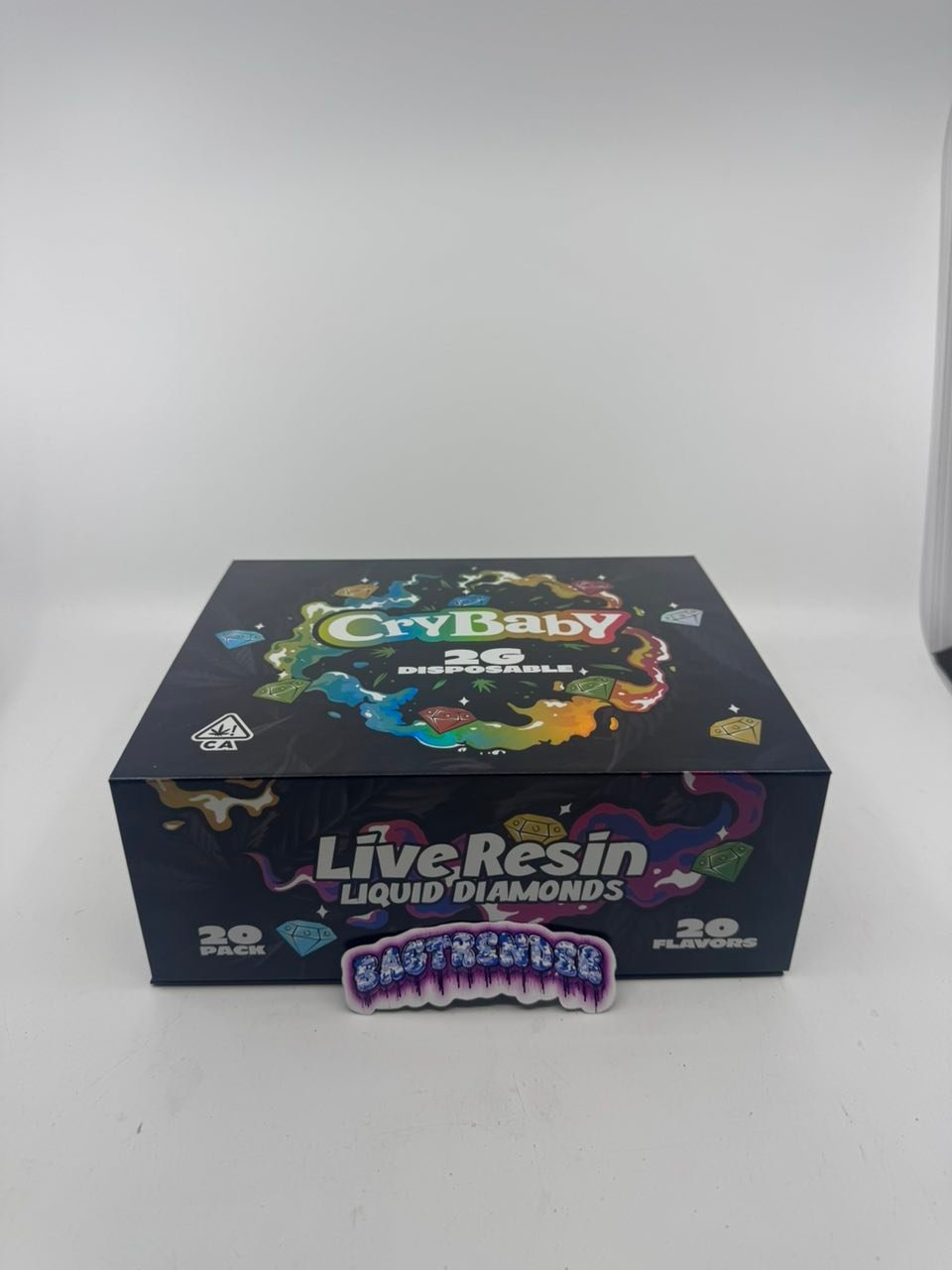
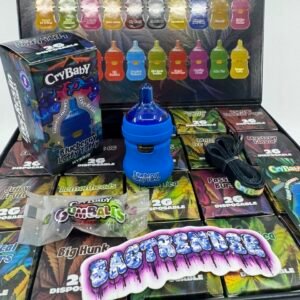
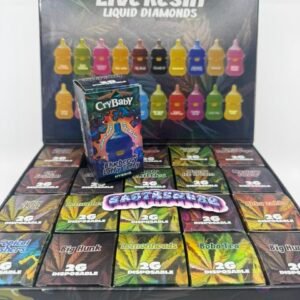
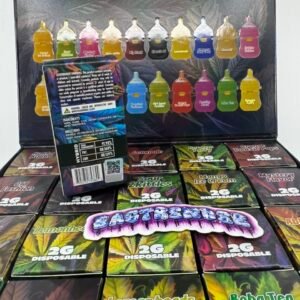
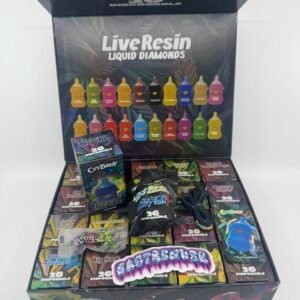
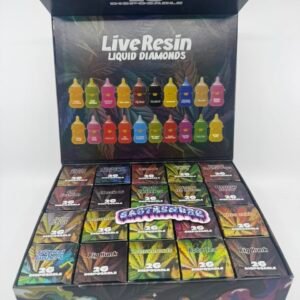
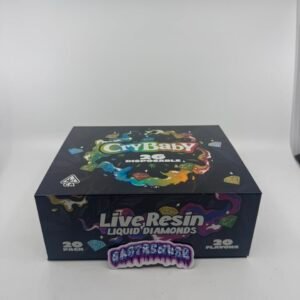
Buy CryBaby Disposable 2G | Bottle Edition
Price range: $27.50 through $6,699.99
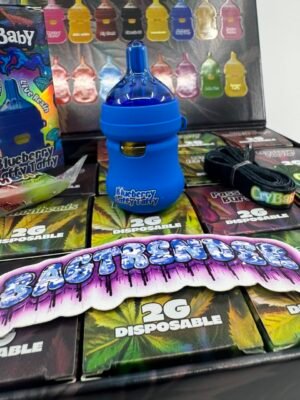
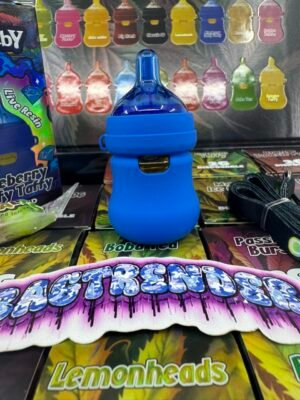
Discover CryBaby Disposable 2G, a high-capacity draw-activated vape device designed for smooth airflow, consistent vapor production, and extended-use performance. Built with advanced heating technology, leak-resistant engineering, and optional recharge functionality depending on variant. Designed for adult consumers in regulated markets seeking reliability and portability.
CryBaby Disposable 2G — Compliance-Focused Product Overview (Informational Use Only)
Regulatory Notice
This document is an informational overview intended for adult audiences in jurisdictions where vaporization devices and related consumable products are legally permitted. Laws vary significantly by region. Users are responsible for ensuring compliance with all applicable regulations regarding purchase, possession, and use. This content does not constitute medical advice or an endorsement of use.
1. Product Identity and Category Definition
The CryBaby Disposable 2G is categorized as a single-use (or limited-use rechargeable-in-some-variants) vaporization device designed to deliver a pre-filled formulation through an integrated heating and battery system. The “2G” designation generally refers to the nominal fill capacity of the internal reservoir, indicating an extended-use disposable format compared to lower-capacity devices.
From a functional standpoint, the product belongs to the closed-system disposable vapor device category, meaning:
- The internal reservoir is sealed and not designed for refilling
- The heating element is pre-installed and non-replaceable
- User interaction is limited to inhalation-based activation (draw-activated systems)
This category prioritizes convenience and portability over modular customization.
2. Core Engineering and Hardware Design
2.1 Structural Architecture
The CryBaby Disposable 2G typically integrates three subsystems:
- Energy subsystem: lithium-ion battery cell calibrated for sustained output
- Atomization subsystem: coil and wicking structure for liquid vaporization
- Reservoir subsystem: sealed chamber containing the formulation
The integration of these systems into a compact chassis reduces user maintenance requirements but introduces finite lifecycle limitations.
2.2 Battery System Performance
Most devices in this class utilize:
- Low-profile lithium-ion or lithium-polymer cells
- Output regulation circuits to stabilize voltage delivery
- Optional recharge ports (commonly USB-C in newer iterations)
Key engineering objective:
Maintain consistent thermal output across the depletion curve of the battery rather than peak performance only at full charge.
However, performance degradation is inevitable as battery cycles are consumed. Users should expect diminishing output intensity toward end-of-life.
2.3 Heating and Atomization Technology
The CryBaby Disposable 2G typically employs one of the following coil systems:
- Ceramic core heating element
- Mesh coil configuration
- Hybrid ceramic-mesh systems in newer revisions
Technical intent:
- Improve thermal distribution uniformity
- Reduce localized overheating (“hot spots”)
- Preserve formulation stability during vaporization
This is critical because inconsistent heating directly correlates with:
- Flavor distortion
- Coil burnout
- Increased particulate byproducts
2.4 Airflow and Activation System
The device uses a draw-activated sensor mechanism, eliminating manual controls. Airflow design is generally:
- Pre-calibrated resistance (medium or low draw resistance)
- Engineered to balance vapor density and user effort
- Tuned to prevent flooding or dry hits under normal usage conditions
There are no adjustable settings. This is intentional design simplification, not a limitation.
3. Formulation and Internal Fill Composition
While formulations vary by manufacturer and jurisdiction, 2G disposable vapor systems commonly contain:
- A base extract or active compound blend (varies by product class)
- Terpene or flavoring agents (botanical or synthetic, depending on compliance rules)
- Carrier agents used for viscosity control and vapor consistency
Quality control expectations in compliant markets:
- Batch-level consistency verification
- Contaminant screening (solvents, heavy metals, pesticides where applicable)
- Potency or concentration validation
A legitimate product should be supported by third-party laboratory testing documentation. Absence of such verification is a major risk indicator in unregulated supply chains.
4. Performance Characteristics
4.1 Vapor Output Consistency
The CryBaby Disposable 2G is engineered for:
- Moderate-to-high vapor density output
- Stable delivery across multiple usage cycles
- Reduced fluctuation in output strength during mid-life usage window
However, no disposable system maintains perfectly linear performance. Expect:
- Stronger output at initial use phase
- Stabilization during mid-cycle
- Gradual decline toward depletion
4.2 Flavor Fidelity and Degradation Curve
Flavor consistency depends on coil efficiency and formulation stability.
Key performance targets:
- Minimal burnt or metallic notes during standard operation
- Reduced terpene degradation under controlled temperature
- Preservation of flavor clarity during mid-cycle usage
Primary failure modes affecting flavor:
- Overheating from chain usage
- Low battery output causing incomplete vaporization
- Storage under high heat or direct sunlight
4.3 Device Longevity (2G Capacity Context)
The “2G” capacity generally supports extended usage relative to smaller disposables. Actual lifespan is variable and depends on:
- Inhalation duration and frequency
- Charging behavior (if rechargeable variant)
- Storage conditions
- Ambient temperature exposure
Any fixed “puff count” claims should be treated as approximate rather than guaranteed.
5. Safety Engineering and Risk Controls
5.1 Thermal Regulation
Modern disposable systems incorporate:
- Basic overheat protection circuits
- Voltage cutoff thresholds
- Short-circuit prevention mechanisms
These systems reduce—but do not eliminate—risk under improper use conditions.
5.2 Leakage and Structural Integrity
Leak mitigation strategies include:
- Sealed reservoir welding
- Multi-layer containment barriers
- Internal pressure balancing design
Failure typically results from:
- Physical impact damage
- Extreme temperature exposure
- Manufacturing defects (rare but possible in low-quality units)
5.3 Battery Safety Considerations
Lithium-based cells introduce inherent risk if mishandled:
- Do not puncture or disassemble
- Do not expose to fire or extreme heat
- Do not continue use if swelling or overheating occurs
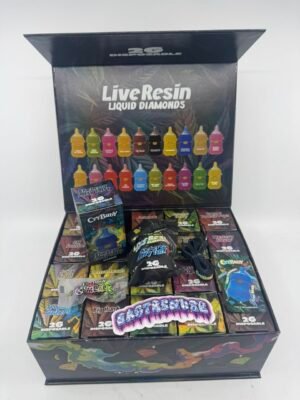
Battery misuse is one of the primary failure vectors in disposable vape devices.
6. Compliance and Regulatory Framework
In regulated markets, devices like CryBaby Disposable 2G are subject to:
- Packaging disclosure requirements
- Ingredient transparency standards
- Age-restriction enforcement mechanisms
- Marketing limitations (no youth-targeted advertising)
- Laboratory testing mandates (jurisdiction-dependent)
Users should verify:
- Product authenticity
- Regulatory approval status in their region
- Availability of batch traceability information
Non-compliant supply chains present elevated risk profiles including mislabeling and contamination.
7. Responsible Use Guidelines
This section is critical and not optional from a risk perspective.
Users should:
- Avoid excessive or continuous inhalation sessions
- Allow cooling intervals between draws
- Store device away from moisture and heat sources
- Monitor device temperature during use
The product is not intended for:
- Minors
- Pregnant or breastfeeding individuals
- Individuals with contraindicated health conditions (consult qualified professionals)
Do not operate vehicles or machinery while impaired by any inhaled substances.
8. Environmental and End-of-Life Considerations
Disposable vape devices contribute to electronic waste streams due to integrated:
- Lithium batteries
- Plastic housings
- Metal heating components
Proper disposal requires:
- E-waste recycling facilities
- Battery-specific disposal channels where available
- Avoidance of general landfill disposal when prohibited
Environmental impact is a structural limitation of disposable device categories and should not be ignored in product evaluation.
9. Authenticity Risks and Counterfeit Awareness
The disposable vape market is heavily exposed to counterfeit distribution channels.
Common indicators of counterfeit risk:
- Inconsistent labeling or typography
- Missing batch codes or QR verification systems
- Unverifiable manufacturer information
- Suspiciously low pricing relative to market baseline
Authentic products typically include:
- Traceable identifiers
- Tamper-evident packaging
- Consistent manufacturing finish quality
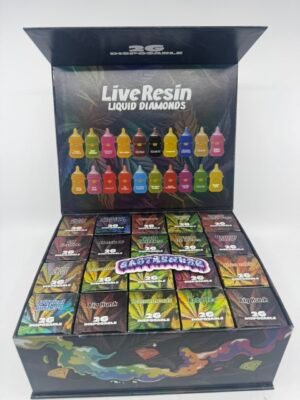
Counterfeit products represent a significant safety risk due to unknown contents and uncontrolled manufacturing environments.
10. Operational Limitations
No engineering design is without constraints. The CryBaby Disposable 2G has inherent limitations:
- Non-serviceable architecture (cannot be repaired)
- Finite battery lifecycle
- Fixed formulation (no user customization)
- Performance decline over time is unavoidable
Users expecting refillable or modular control systems are misaligned with this product category entirely.
11. Analytical Summary
The CryBaby Disposable 2G represents a standardized disposable vapor device architecture focused on:
- Extended-use capacity relative to smaller disposables
- Simplified user interaction model
- Stabilized vapor output through regulated heating systems
Its value proposition is not innovation in customization, but rather:
- Convenience
- Portability
- Predictable baseline performance
However, serious evaluation requires acknowledging tradeoffs:
- Environmental burden
- Limited lifecycle
- Dependency on manufacturing quality control
- Regulatory variability across regions
12. Final Assessment
If evaluated strictly as a device class, the CryBaby Disposable 2G sits in the mid-to-premium disposable segment, where engineering improvements primarily target consistency and usability rather than fundamental category disruption.
The critical decision factors for any consumer or retailer are not branding or flavor naming conventions, but:
- Verified compliance documentation
- Manufacturing transparency
- Safety validation
- Supply chain integrity
Without those, the product category itself becomes a liability rather than a controlled consumer good.
| Flavor | Blue Razz Ice, Strawberry Banana, Mango Kush, Watermelon Ice, Grape Punch, Peach Mango, Pineapple Express, Cherry Lime, Lemonade Freeze, Banana Ice Cream, Tropical Rainbow, Strawberry Gelato, Apple Fizz, Berry Blast, Mint Ice, Exotic Fruit Mix, Cotton Candy, Kiwi Strawberry, Sour Apple, Ice Pop, Packs ( Mixed ), 10 Packs ( Mixed ), 25 Packs ( Mixed ), 50 Packs ( Mixed ), 100 Packs ( Mixed ), 250 Packs ( Mixed ), 500 Packs ( Mixed ), 1000 Packs ( Mixed ) |
|---|
Be the first to review “Buy CryBaby Disposable 2G | Bottle Edition”
Related products
Hitz Infinity Zeus
Switch 2G Detachable Battery
Wavvy 2G Flip Disposable

Foger Switch Kit Disposable
Muha Meds Disposable
Raw Garden 2G Sauce Disposable
Craves Spinning 2G Disposable
Mad Labs Luigi 2G Disposable
Reviews
There are no reviews yet.